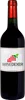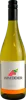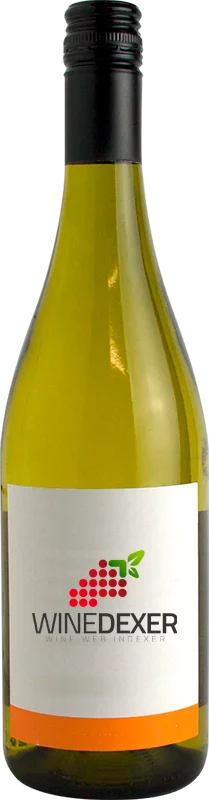
Winery Keel & CurleyKey West - Key Lime
 White wine


This wine generally goes well with vegetarian, rich fish (salmon, tuna etc) or shellfish.

Wine flavors and olphactive analysis

On the nose the Key West - Key Lime of Winery Keel & Curley in the region of Florida often reveals types of flavors of oak, citrus fruit.
Food and wine pairings with Key West - Key Lime
Pairings that work perfectly with Key West - Key Lime



Original food and wine pairings with Key West - Key Lime
The Key West - Key Lime of Winery Keel & Curley matches generally quite well with dishes of rich fish (salmon, tuna etc), shellfish or vegetarian such as recipes of salmon with honey and soy, squid with garlic and parsley or cream and tuna quiche.
Details and technical informations about Winery Keel & Curley's Key West - Key Lime.
Discover the grape variety: Muskat Oliver
Fine aromatic whites with a pale golden colour, supple palate with fresh acidity, signature muscat aromas (rose, fresh grape), peach, white flowers and delicate spiced notes. Early ripening. Grown in Hungary, Slovakia and the Czech Republic for characterful aromatic white wines of Central Europe. Synonym of the Hungarian Irsai Oliver, aromatic white variety bred in 1930 by Pál Kocsis (Pozsonyi Fehér × Pearl of Csaba).
Last vintages of this wine
The best vintages of Key West - Key Lime from Winery Keel & Curley are 0
Informations about the Winery Keel & Curley
The Winery Keel & Curley is one of of the world's greatest estates. It offers 13 wines for sale in the of Florida to come and discover on site or to buy online.

The wine region of Florida
South-eastern US state with a hot humid subtropical climate hostile to vinifera. Muscadine (Vitis rotundifolia) signature as resistant native grape: soft, exotic wines with notes of musky grape, plum, banana, tropical fruits and a "foxy" touch, round sugar and moderate alcohol — Carlos, Noble and Welder as flagship varieties. Hybrids Blanc du Bois (floral, citrus, honey) and Stover developed at the University of Florida. Fruit wines in complement.
The word of the wine: Ventilation
Aeration is the process of decanting the wine to oxygenate it and thus promote the expression of the aromatic range and the harmony of the flavours.