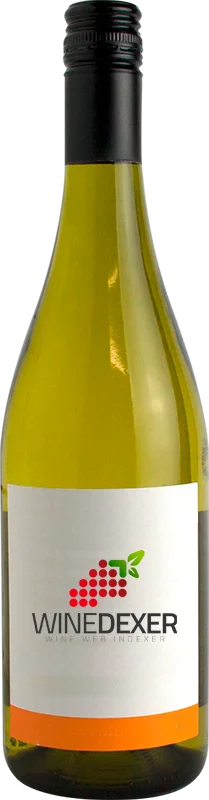
Winery Кацо (Katso)Цинандали (Tsinandali)
 White wine



This wine generally goes well with

Details and technical informations about Winery Кацо (Katso)'s Цинандали (Tsinandali).
Discover the grape variety: Ginestra
Simple, fresh dry whites with a pale golden colour, a supple palate and moderate acidity; undemonstrative aromas of citrus, white flowers (broom, giving the grape its name) and southern herbal notes. Rustic, airy style to drink young. Preserved for its heritage value, occasionally used in Campanian and Sicilian local blends. Rare Italian white grape grown mainly in Campania and southern Italy.
Last vintages of this wine
The best vintages of Цинандали (Tsinandali) from Winery Кацо (Katso) are 0, 2017
Informations about the Winery Кацо (Katso)
The Winery Кацо (Katso) is one of of the world's greatest estates. It offers 6 wines for sale in the of Tsinandali to come and discover on site or to buy online.

The wine region of Tsinandali
Flagship appellation of Georgian dry whites in Kakheti, Alazani valley between Greater Caucasus and Gombori, symbol of refinement since the Chavchavadze estate in the 19th c. Signature strict blend: Rkatsiteli (85% min, structure and acidity) and Mtsvane Kakhuri (15% max, floral). Chiseled whites with notes of citrus, white apple, peach, white flowers, sweet almond and mineral touch, fresh and balanced palate — short oak ageing. Greenish straw robe.
The wine region of Kakheti
Cradle of amber and orange wines, vinified in qvevri (buried clay jars, UNESCO). Skin-macerated Rkatsiteli whites: signature notes of dried apricot, walnut, honey, orange peel and black tea, fine tannins and controlled oxidation. Deep, tinctorial Saperavi reds with black fruit, plum, spice and firm tannins, age-worthy. Also Mtsvane and Kisi in white, fresh and floral.
The word of the wine: Extraction
All the methods (pumping over, punching down) that allow the colour and tannins to be extracted from the grape skin during maceration, before fermentation begins. It is also possible to macerate after fermentation, but gently, so as not to extract the tannins from the seeds, which are greener. Because of its solvent power, alcohol favours extraction.