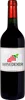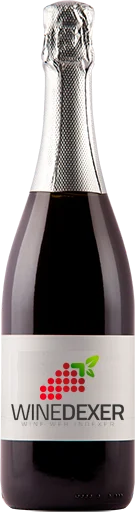
Winery Karl SonntagCrémant Brut
 Sparkling wine
This wine is a blend of 2 varietals which are the Gewurztraminer and the Pinot noir.
This wine generally goes well with pork, poultry or veal.

Food and wine pairings with Crémant Brut
Pairings that work perfectly with Crémant Brut



Original food and wine pairings with Crémant Brut



The Crémant Brut of Winery Karl Sonntag matches generally quite well with dishes of veal, pork or game (deer, venison) such as recipes of casserons in the country style, sauerkraut of the sea in casserole or festive chinese fondue.
Details and technical informations about Winery Karl Sonntag's Crémant Brut.
Discover the grape variety: Gewurztraminer
Full-bodied, exotic whites, rich and heady, with moderate acidity, showing opulent aromas of lychee, rose, mango, ginger, pink grapefruit and gentle spice. Made as aromatic dry, moelleux late-harvest and liquorous sélection de grains nobles. Star of Alsace AOC (one of the four noble varieties) and signature of Alto Adige (Tramin), Palatinate and Germany. A pink mutation of Traminer.
Informations about the Winery Karl Sonntag
The Winery Karl Sonntag is one of of the world's greatest estates. It offers 20 wines for sale in the of Mosel to come and discover on site or to buy online.

The wine region of Mosel
Kingdom of lively, crystalline Riesling: citrus, green apple, gunflint, tangy tension and signature slate minerality. From light, fruity Kabinett to off-dry Spätlese, up to sweet Auslese and Trockenbeerenauslese of rare finesse. Some supple Müller-Thurgau and lively Elbling. Steeply sloped vineyards (up to 65% at the Bremmer Calmont) on blue and grey slate, 5,400 ha of Riesling (61.
The word of the wine: Rough
A very astringent and somewhat coarse tannic wine.