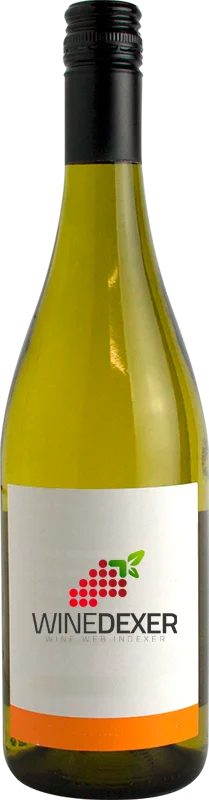
Winery KallstadtFrühlings-Cuvée
 White wine


This wine generally goes well with vegetarian, rich fish (salmon, tuna etc) or shellfish.

Food and wine pairings with Frühlings-Cuvée
Pairings that work perfectly with Frühlings-Cuvée



Original food and wine pairings with Frühlings-Cuvée
The Frühlings-Cuvée of Winery Kallstadt matches generally quite well with dishes of rich fish (salmon, tuna etc), shellfish or vegetarian such as recipes of sun burger, zarzuela mayonapo or quiche with bacon and gruyère cheese.
Details and technical informations about Winery Kallstadt's Frühlings-Cuvée.
Discover the grape variety: Scheurebe
Aromatic, structured whites with lively acidity and a round mouth, featuring intense aromas of pink grapefruit, blackcurrant, passion fruit, white flowers and muscat notes. Made as aromatic dry wines (Trocken), off-dry (Kabinett, Spätlese) and especially sumptuous botrytised sweet wines (Auslese, Beerenauslese, Trockenbeerenauslese). Grown in Germany (Rheinhessen, Palatinate) and Austria. Created in 1916 by Georg Scheu in Alzey, a Riesling × Bukettrebe cross.
Last vintages of this wine
The best vintages of Frühlings-Cuvée from Winery Kallstadt are 2017, 0
Informations about the Winery Kallstadt
The Winery Kallstadt is one of of the world's greatest estates. It offers 83 wines for sale in the of Pfalz to come and discover on site or to buy online.

The wine region of Pfalz
Fleshy, dry, fruity Riesling is the region's signature: yellow peach, apricot, ripe citrus, lovely mineral tension. Germany's largest red-wine area (40%), with silky Spätburgunder showing red fruit and spice, darker structured Dornfelder, supple Portugieser. Some rounded Pinot Blanc and Pinot Gris. A 23,640 ha vineyard along the Haardt, among Germany's warmest (>2,000 h of sun).
The word of the wine: White winemaking
White wines are obtained by fermentation of the juice after pressing. A pre-fermentation maceration is sometimes practiced to extract the aromatic substances from the skins. White wines are normally made from white grapes, but can also be made from red grapes (blanc de noirs). The grapes are then pressed as soon as they arrive at the vat house without maceration in order to prevent the colouring matter contained in the skins from "staining" the wine.





