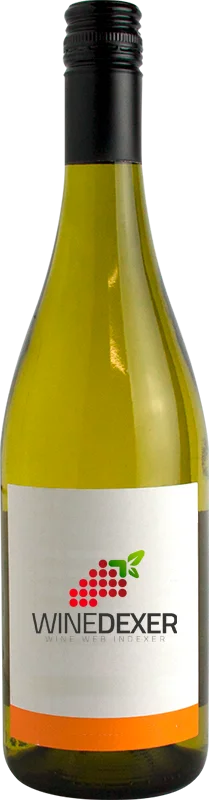
Winery BockSzürkebarát
 White wine



This wine generally goes well with

Details and technical informations about Winery Bock's Szürkebarát.
Discover the grape variety: Mourvèdre
Powerful, deep reds with firm tannins and dense texture, showing aromas of blackberry, leather, garrigue, black pepper, liquorice and animal notes (game, forest floor) with age. Star of Bandol AOC as a single variety and pillar of Châteauneuf-du-Pape, Gigondas and Costières blends. Also in GSM in Languedoc and Australia. A late-ripening variety of Spanish origin (Mataró/Monastrell).
Last vintages of this wine
The best vintages of Szürkebarát from Winery Bock are 0, 2013
Informations about the Winery Bock
The Winery Bock is one of of the world's great estates. It offers 76 wines for sale in the of Villány to come and discover on site or to buy online.

The wine region of Villány
Hungary's hottest region, kingdom of powerful reds in the south. Signature Cabernet Franc ("Villányi Franc"): deep and refined with notes of ripe blackcurrant, black pepper, violet, graphite and tobacco, firm tannins and great ageing potential. Also fleshy, spicy Kékfrankos (Blaufränkisch), supple, fruity Portugieser, round Merlot and dense Cabernet Sauvignon. Successful Bordeaux blends.
The wine region of Dél-Pannónia
Southern Hungary (Pécs, Szekszárd, Villány, Tolna), ~7,800 ha on loess and limestone, continental climate with Mediterranean influences — bastion of great Hungarian reds. Kékfrankos and Kadarka signatures as native red kings: spiced and structured with black cherry, blackberry, plum, paprika, pepper and smoky hint, firm tannins. Ripe Cabernet Franc and Sauvignon in Bordeaux blends at Villány. Specialities Szekszárdi Bikavér and unique Cirfandli white at Pécs (spiced, honeyed).
The word of the wine: Leaflet
Small barrel with a capacity of 112 to 136 litres depending on the region.