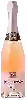
Winery Joseph LafargeCrémant de Bourgogne Brut Rosé
 wine
wine
This wine generally goes well with
The Crémant de Bourgogne Brut Rosé of the Winery Joseph Lafarge is in the top 0 of wines of Crémant de Bourgogne.

Details and technical informations about Winery Joseph Lafarge's Crémant de Bourgogne Brut Rosé.
Discover the grape variety: Dakapo
Deeply coloured, supple reds with an intense, almost opaque purple colour, soft tannins and an ample palate, with signature aromas of black fruits (blackcurrant, blackberry), gentle spices and inky notes. Accessible teinturier profile. Used in blending to boost colour in light reds; grown on small areas in Germany, Switzerland and Belgium. German hybrid teinturier variety bred in 1958 (Deckrot × Portugieser).
Informations about the Winery Joseph Lafarge
The Winery Joseph Lafarge is one of of the world's greatest estates. It offers 8 wines for sale in the of Crémant de Bourgogne to come and discover on site or to buy online.

The wine region of Crémant de Bourgogne
Traditional-method sparkling, a direct alternative to Champagne. Fine, persistent bubbles, fresh nose of green apple, lemon, white flowers, brioche and almond, taut and elegant palate (9 months minimum on lees, often 12-24). Based on Chardonnay (freshness and finesse) and Pinot Noir (roundness and red fruits), sometimes Aligoté, Gamay and Melon. Blanc de Blancs, Blanc de Noirs and fleshy rosé versions (strawberry, raspberry).
The wine region of Burgundy
Absolute reference for great terroir wines: opulent, mineral Chardonnay in whites (chiselled Chablis, buttery Meursault, majestic Montrachet), fine and silky Pinot Noir in reds (full-bodied Gevrey, structured Pommard, delicate Volnay). Exceptional age-worthy wines with complex notes - red fruits, undergrowth, butter, hazelnut. Some lively Aligoté and light Gamay (Mâconnais). 29,500 ha, 84 tiered AOCs (Régionale, Village, 1er Cru, Grand Cru), 1,247 UNESCO Climats.
The word of the wine: Hat
Solid part (marc), composed of pips and skins (sometimes of the stalk), which forms at the top of the tank during fermentation. The pigeage consists in breaking this cap to put back in suspension these elements and to favour the exchanges between the juice and the skins.