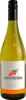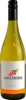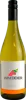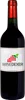
Winery Johann Peter MertesRiesling Halbtrocken
 wine
wine
This wine generally goes well with
The Riesling Halbtrocken of the Winery Johann Peter Mertes is in the top 0 of wines of Kanzem.

Details and technical informations about Winery Johann Peter Mertes's Riesling Halbtrocken.
Discover the grape variety: Goron de Bovernier
Structured and elegant reds with a deep purple colour, firm yet melted tannins and a full palate with preserved acidity, offering signature aromas of red fruits (cherry, raspberry), spices and fresh alpine notes. A modest ageing profile. Preserved for its heritage value, it produces artisan high-altitude cuvées by a few Valais winemakers attached to rare varieties. Swiss black autochthonous variety from Valais, grown almost exclusively in Bovernier.
Informations about the Winery Johann Peter Mertes
The Winery Johann Peter Mertes is one of of the world's great estates. It offers 15 wines for sale in the of Kanzem to come and discover on site or to buy online.

The wine region of Kanzem
Historic village on the Saar (Germany) in the greater Mosel region, dominated by the Grosse Lage Altenberg on a vertiginous slope (50-85%) of grey and red ferruginous slate. Riesling is the exclusive white: tense and crystalline with intense notes of citrus, peach, green apple, white flowers and a slate-iodine touch, cutting acidity — from lively Kabinett to ample Spätlese and Auslese, exceptional aging. Legendary Eiswein and late-harvest wines. VDP benchmark.
The wine region of Mosel
Kingdom of lively, crystalline Riesling: citrus, green apple, gunflint, tangy tension and signature slate minerality. From light, fruity Kabinett to off-dry Spätlese, up to sweet Auslese and Trockenbeerenauslese of rare finesse. Some supple Müller-Thurgau and lively Elbling. Steeply sloped vineyards (up to 65% at the Bremmer Calmont) on blue and grey slate, 5,400 ha of Riesling (61.
The word of the wine: Vinification of sweet wines
Moelleux and liquoreux wines are characterized by the presence of residual sugars (natural sugar of the grape), not transformed into alcohol under the effect of yeasts. The fermentation is stopped by cold and by the addition of sulphur dioxide (sulphur).