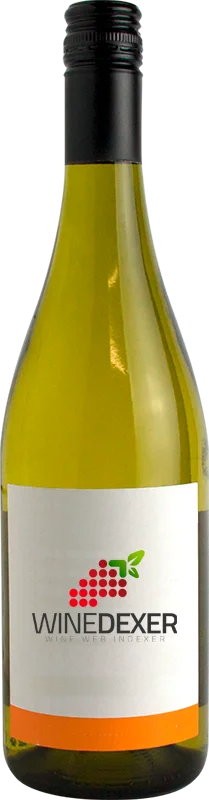
Winery Jöbstl GamlitzGelber Muskateller
 White wine



This wine generally goes well with
Details and technical informations about Winery Jöbstl Gamlitz's Gelber Muskateller.
Discover the grape variety: Plavac mali
Croatian Dalmatia more precisely. It can also be found in Greece (Macedonia), Montenegro, Italy, Bulgaria and Romania. According to genetic analyses conducted by the California University of Davis (United States), it is the result of an intraspecific cross between zinfandel (called crljenak kastelanski or pribidag in Croatia) and dobricic, another Croatian grape variety that is now somewhat endangered. - Synonyms: pagadebit veliki, sarak, zelenak (for all the synonyms of the grape varieties, click here!).
Last vintages of this wine
The best vintages of Gelber Muskateller from Winery Jöbstl Gamlitz are 2019, 0
Informations about the Winery Jöbstl Gamlitz
The Winery Jöbstl Gamlitz is one of of the world's greatest estates. It offers 7 wines for sale in the of Südsteiermark to come and discover on site or to buy online.

The wine region of Südsteiermark
The wine region of Südsteiermark is located in the region of Steiermark of Steirerland of Austria. We currently count 170 estates and châteaux in the of Südsteiermark, producing 1220 different wines in conventional, organic and biodynamic agriculture. The wines of Südsteiermark go well with generally quite well with dishes .
The wine region of Steirerland
Steiermark, or Styria, is the southernmost wine producing region in Austria, based around the city of Graz and stretching out towards the border with Slovenia. The hilly terrain and the region's cool take on the MediterraneanClimate mean that viticulture here is markedly different from the rest of Austria. Steiermark's specialties include Sauvignon Blanc, wines made from the Traminer family and Schiclher, a rustic local rosé made from Blauer Wildbacher. Hardonnay">Chardonnay (often labeled "Morillon"), Weissburgunder and Welschriesling are other important varieties grown here.
The word of the wine: Flavours (families of)
Aromas are classified into categories called families of aromas: fruity, floral, fermentative, vegetal, woody, balsamic, spicy, mineral, empyreumatic, animal.