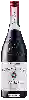
Winery Jerome QuiotLes Couversets Côtes de Provence Rosé
 Pink wine
This wine generally goes well with

Details and technical informations about Winery Jerome Quiot's Les Couversets Côtes de Provence Rosé.
Discover the grape variety: Verjus
A very high-acid variety grown not for wine but for verjuice production — the tart unripe grape juice used in traditional cooking to acidify sauces and meats. Now virtually extinct, it bears witness to French gastronomic and viticultural heritage and is preserved in varietal collections for its historical interest. A historic French white grape specific to medieval verjuice.
Informations about the Winery Jerome Quiot
The Winery Jerome Quiot is one of of the world's great estates. It offers 44 wines for sale in the of Châteauneuf-du-Pape to come and discover on site or to buy online.

The wine region of Châteauneuf-du-Pape
Pinnacle of great southern Rhône reds, up to 13 blended grapes: signature Grenache as king — powerful and structured with notes of black cherry, kirsch, garrigue, leather, tar and sweet spices, firm tannins when young and gamey complexity with ageing. Deep Syrah, dense Mourvèdre and supple Cinsault complete it. Rare full whites (Grenache Blanc, Clairette, Roussanne) with almond, anise, honeysuckle notes. Legendary AOC (1936), rolled pebbles, mistral and sun.
The wine region of Rhone Valley
France's 2nd-largest AOC vineyard, two complementary worlds. Northern: pure Syrah in signature reds (Côte-Rôtie, Hermitage, Cornas), deep and peppery with blackberry, violet, black olive and smoked bacon notes, exceptional ageing. Opulent Viognier whites (Condrieu, apricot, flowers) and ample Marsanne-Roussanne. Southern: sun-soaked Grenache blends at Châteauneuf, Gigondas, Vacqueyras (candied fruit, garrigue).
The word of the wine: Wine library
Cellar in which are kept bottles that retrace the history of a domain, a vintage, an exceptional wine, etc., and which constitute a collection. It is also said of a place that offers a very wide choice of wines served by the glass. The oenotheques are more and more widespread in the living rooms opened to the public.