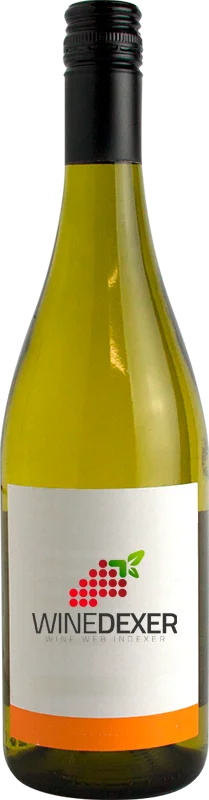
Winery Jean Marc ViguierClassic Entraygues - Le Fel
 White wine


This wine generally goes well with
The Classic Entraygues - Le Fel of the Winery Jean Marc Viguier is in the top 5 of wines of Entraygues - Le Fel.

Details and technical informations about Winery Jean Marc Viguier's Classic Entraygues - Le Fel.
Discover the grape variety: Chinuri
Lively, structured dry whites with a pale golden hue, a lean palate and sharp acidity, with delicate notes of citrus (lemon, grapefruit), green apple, pear, white flowers, fresh herbs and minerals. Also a pillar of Georgia's great traditional-method sparkling wines. Star of Kartli, often vinified in qvevri (buried clay jars). Native Georgian variety for dry and sparkling whites.
Last vintages of this wine

The best vintages of Classic Entraygues - Le Fel from Winery Jean Marc Viguier are 2017, 2016, 2015, 0 and 2013.
Informations about the Winery Jean Marc Viguier
The Winery Jean Marc Viguier is one of of the world's greatest estates. It offers 2 wines for sale in the of Entraygues - Le Fel to come and discover on site or to buy online.

The wine region of Entraygues - Le Fel
The wine region of Entraygues - Le Fel is located in the region of South West of France. Wineries and vineyards like the Domaine Mousset or the Domaine Mousset produce mainly wines white and red. The most planted grape varieties in the region of Entraygues - Le Fel are Chenin blanc, Cabernet franc and Fer-servadou, they are then used in wines in blends or as a single variety. We currently count 3 estates and châteaux in the of Entraygues - Le Fel, producing 6 different wines in conventional, organic and biodynamic agriculture.
The wine region of South West
French mosaic of strong identities south of Bordeaux. Cahors and its Malbec ("black wine"): deep reds with notes of blackberry, plum, violet, tobacco and cocoa, firm tannins. Madiran and its dense, age-worthy Tannat. Jurançon whites: golden sweet (apricot, honey, pineapple) and lively dry from Petit Manseng.
The word of the wine: Maceration
Prolonged contact and exchange between the juice and the grape solids, especially the skin. Not to be confused with the time of fermentation, which follows maceration. The juice becomes loaded with colouring matter and tannins, and acquires aromas. For a rosé, the maceration is short so that the colour does not "rise" too much. For white wines too, a "pellicular maceration" can be practised, which allows the wine to acquire more fat.