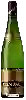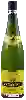
Winery Jean DietrichEdelzwicker
 Red wine



This wine generally goes well with
Details and technical informations about Winery Jean Dietrich's Edelzwicker.
Discover the grape variety: Camaralet de Lasseube
The camaralet of Lasseube has its origins in the Pyrenees, in Bearn. It can be called gentil aromatique, petit camarau or moustardet. Its bunches are of medium size but its berries are small. The berries turn golden yellow when they reach maturity. This grape variety has two approved clones since 1998: 1023 and 1024. It occupies a little less than one hectare in France and is often vinified with other grape varieties such as lauzet and gros manseng. Camaralet de Lasseube is matured about twenty days after Chasselas. Its more or less compact and winged bunches are not affected by grey rot until after maturity. Its female flowers often expose this grape variety to significant risks of coulure, which makes it possible to obtain an alcoholic wine that is full-bodied but fine. Depending on the type, the aromas of the camaralet de Lasseube may recall fennel, pepper or cinnamon.
Last vintages of this wine
The best vintages of Edelzwicker from Winery Jean Dietrich are 0
Informations about the Winery Jean Dietrich
The Winery Jean Dietrich is one of of the world's great estates. It offers 17 wines for sale in the of Alsace to come and discover on site or to buy online.

The wine region of Alsace
Alsace, located in the extreme north-east of France, is Distinguished from other French wine regions by its strong Franco-Germanic influences. These influences are the result of a back-and-forth between the German and French sovereignties over the last few centuries. They can be seen not only in the architecture and culture of Alsace, but also in the wines. Alsace wines are produced under three main appellations: Alsace and Alsace Grand Cru for still white wines (Sweet and Dry), and Crémant d'Alsace for Sparkling wines.
The word of the wine: Phenolic ripeness
A distinction is made between the ripeness of sugars and acids and the ripeness of tannins and other compounds such as anthocyanins and tannins, which will bring structure and colour. Grapes can be measured at 13° potential without having reached this phenolic maturity. Vinified at this stage, they will give hard, astringent wines, without charm.