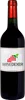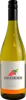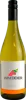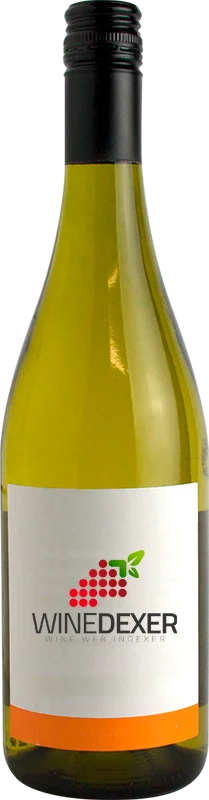
Winery Jean BalmontCépage Sauvignon
 White wine
This wine generally goes well with vegetarian, rich fish (salmon, tuna etc) or shellfish.

Food and wine pairings with Cépage Sauvignon
Pairings that work perfectly with Cépage Sauvignon



Original food and wine pairings with Cépage Sauvignon
The Cépage Sauvignon of Winery Jean Balmont matches generally quite well with dishes of rich fish (salmon, tuna etc), shellfish or vegetarian such as recipes of sea bream a la plancha, calamari with chorizo or zucchini and goat cheese quiche.
Details and technical informations about Winery Jean Balmont's Cépage Sauvignon.
Discover the grape variety: Dureza
Structured, colored reds with a dark ruby robe, firm tannins and a dense palate, with signature aromas of black fruits (blackberry, blackcurrant), spices, black pepper and herbal notes reminiscent of Syrah. Almost vanished from commercial cultivation, preserved for its exceptional genetic value. Grown in varietal collections and heritage plots in Ardèche. Indigenous French black variety from Ardèche, father of Syrah (mother = Mondeuse Blanche).
Informations about the Winery Jean Balmont
The Winery Jean Balmont is one of wineries to follow in Vin de France.. It offers 23 wines for sale in the of Vin de France to come and discover on site or to buy online.

The wine region of Vin de France
The freest category of French wine, the playground of winemakers working outside the AOC. All styles combined: fruity reds, lively or ambitious whites, everyday rosés, unusual blends, natural wines, atypical grapes (Petit Manseng in Languedoc, Riesling in Provence), experimental winemaking (skin-contact whites, no sulphur). Grape and vintage labelling allowed, no geographic constraint. From the pop, convivial cuvée to the artisan gem: freedom in a bottle.
The word of the wine: Sapid
Said of a wine rich in flavours.