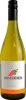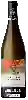
Winery JauneggGelber Muskateller
 White wine



This wine generally goes well with
Details and technical informations about Winery Jaunegg's Gelber Muskateller.
Discover the grape variety: Sérénèze de Voreppe
A very old grape variety that was once grown in the Grésivaudan region, and more generally in the Isère Valley from Grenoble to Tullins. It could also be found in Savoie and in the northern part of the Drôme. It should be noted that it was confused for a long time - even today - with the ciréné de Romans with which it shares many synonyms including sérenèze. According to Thierry Lacombe (I.N.R.A./Montpellier), it is the result of a natural intraspecific cross between the white gouais and the chatus. Sérénèze de Voreppe is registered in the Official Catalogue of wine grape varieties, list A1, under the name Sérénèze.
Last vintages of this wine
The best vintages of Gelber Muskateller from Winery Jaunegg are 2019, 0, 2018, 2015
Informations about the Winery Jaunegg
The Winery Jaunegg is one of of the world's greatest estates. It offers 13 wines for sale in the of Südsteiermark to come and discover on site or to buy online.

The wine region of Südsteiermark
The wine region of Südsteiermark is located in the region of Steiermark of Steirerland of Austria. We currently count 170 estates and châteaux in the of Südsteiermark, producing 1220 different wines in conventional, organic and biodynamic agriculture. The wines of Südsteiermark go well with generally quite well with dishes .
The wine region of Steirerland
Steiermark, or Styria, is the southernmost wine producing region in Austria, based around the city of Graz and stretching out towards the border with Slovenia. The hilly terrain and the region's cool take on the MediterraneanClimate mean that viticulture here is markedly different from the rest of Austria. Steiermark's specialties include Sauvignon Blanc, wines made from the Traminer family and Schiclher, a rustic local rosé made from Blauer Wildbacher. Hardonnay">Chardonnay (often labeled "Morillon"), Weissburgunder and Welschriesling are other important varieties grown here.
The word of the wine: Deposit
Solid particles that can naturally coat the bottom of a bottle of wine. It is rather a guarantee that the wine has not been mistreated: in fact, to avoid the natural deposit, rather violent processes of filtration or cold passage (- 7 or - 8 °C) are used in order to precipitate the tartar (the small white crystals that some people confuse with crystallized sugar: just taste to dissuade you from it)