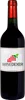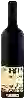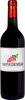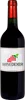
Winery JanusRosé
 Pink wine


This wine generally goes well with

Details and technical informations about Winery Janus's Rosé.
Discover the grape variety: Christmas rose
Table grape with long clusters of pink-red berries with thin skin and crunchy flesh, with a pleasant sweet taste. Late variety (harvest in autumn/early winter, hence the name). Very rarely vinified. Grown mainly in California and Chile for export markets, prized for its attractive pink-red appearance, good shelf life and late availability. American black table grape obtained by crossing for fresh consumption.
Last vintages of this wine
The best vintages of Rosé from Winery Janus are 0
Informations about the Winery Janus
The Winery Janus is one of of the world's greatest estates. It offers 12 wines for sale in the of Villány to come and discover on site or to buy online.

The wine region of Villány
Hungary's hottest region, kingdom of powerful reds in the south. Signature Cabernet Franc ("Villányi Franc"): deep and refined with notes of ripe blackcurrant, black pepper, violet, graphite and tobacco, firm tannins and great ageing potential. Also fleshy, spicy Kékfrankos (Blaufränkisch), supple, fruity Portugieser, round Merlot and dense Cabernet Sauvignon. Successful Bordeaux blends.
The wine region of Dél-Pannónia
Southern Hungary (Pécs, Szekszárd, Villány, Tolna), ~7,800 ha on loess and limestone, continental climate with Mediterranean influences — bastion of great Hungarian reds. Kékfrankos and Kadarka signatures as native red kings: spiced and structured with black cherry, blackberry, plum, paprika, pepper and smoky hint, firm tannins. Ripe Cabernet Franc and Sauvignon in Bordeaux blends at Villány. Specialities Szekszárdi Bikavér and unique Cirfandli white at Pécs (spiced, honeyed).
The word of the wine: Performance
Quantity of grapes harvested per hectare. In AOC, the average yield is limited on the proposal of the appellation syndicate, validated by the Inao. The use of high-performance plant material (especially clones) and better control of vine diseases have increased yields. This is not without consequences on the quality of the wines (dilution) and on the state of the market (too much wine). We must not over-simplify: low yields are not synonymous with quality, and it is often in years with generous harvests that we find the greatest vintages (1982 and 1986 in Bordeaux, 1996 in Champagne, 1990 and 2005 in Burgundy...).