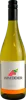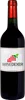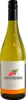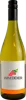
Winery Jacques BalentConte de Montesquiou Jurançon Moelleux
 Sweet wine
This wine is a blend of 2 varietals which are the Gros Manseng and the Petit Manseng.
This wine generally goes well with

Details and technical informations about Winery Jacques Balent's Conte de Montesquiou Jurançon Moelleux.
Discover the grape variety: Gros Manseng
Structured, aromatic whites with lively acidity and an ample mouth, featuring intense aromas of exotic fruits (pineapple, mango, passion fruit), ripe citrus, yellow peach, white flowers, honey and sweet spices. Made as nervy modern dry wines (Jurançon sec AOC, IGP Côtes de Gascogne) and sumptuous passerillage sweet wines (Jurançon AOC, Pacherenc du Vic-Bilh AOC). Late-ripening native grape of Béarn, the productive sibling of Petit Manseng.
Informations about the Winery Jacques Balent
The Winery Jacques Balent is one of of the world's greatest estates. It offers 2 wines for sale in the of Jurançon to come and discover on site or to buy online.

The wine region of Jurançon
Béarn jewel of whites at the foot of the Pyrenees: signature Petit Manseng as king white for sweet wines (on-vine raisining) — opulent and fresh with notes of honey, candied pineapple, mango, apricot, white flowers, cinnamon, nutmeg and a truffle touch, signature chiseled acidity balancing sugar. Gros Manseng as dry, lively and taut (citrus, exotic fruits, flowers). Courbu and Lauzet as complement. AOC (1936), ~1,000 ha on 25 communes south of Pau, clay-gravel terraces.
The wine region of South West
French mosaic of strong identities south of Bordeaux. Cahors and its Malbec ("black wine"): deep reds with notes of blackberry, plum, violet, tobacco and cocoa, firm tannins. Madiran and its dense, age-worthy Tannat. Jurançon whites: golden sweet (apricot, honey, pineapple) and lively dry from Petit Manseng.
The word of the wine: Passerillage
Concentration of the grape by drying out, under the influence of wind or sun, as opposed to botrytisation, which is the concentration obtained by the development of the "noble rot" for which Botrytis cinerea is responsible. The word is mainly used for sweet wines.