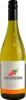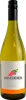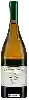
Winery Iveria ValleyЦинандали (Tsinandali)
 White wine


This wine generally goes well with

Details and technical informations about Winery Iveria Valley's Цинандали (Tsinandali).
Discover the grape variety: Ruländer
Structured, aromatic whites in dry, sweet and botrytised styles, with a golden to amber robe and a rich, ample palate with fine acidity. Signature aromas of yellow fruits (pear, apricot, quince), honey, soft spices, candied fruits and brioche notes. Grown in Germany (Baden, Palatinate), defining great German whites for ageing. German synonym for Pinot Gris (Grauburgunder), a grey-skinned mutation of Burgundy's Pinot Noir.
Last vintages of this wine
The best vintages of Цинандали (Tsinandali) from Winery Iveria Valley are 0
Informations about the Winery Iveria Valley
The Winery Iveria Valley is one of of the world's greatest estates. It offers 4 wines for sale in the of Tsinandali to come and discover on site or to buy online.

The wine region of Tsinandali
Flagship appellation of Georgian dry whites in Kakheti, Alazani valley between Greater Caucasus and Gombori, symbol of refinement since the Chavchavadze estate in the 19th c. Signature strict blend: Rkatsiteli (85% min, structure and acidity) and Mtsvane Kakhuri (15% max, floral). Chiseled whites with notes of citrus, white apple, peach, white flowers, sweet almond and mineral touch, fresh and balanced palate — short oak ageing. Greenish straw robe.
The wine region of Kakheti
Cradle of amber and orange wines, vinified in qvevri (buried clay jars, UNESCO). Skin-macerated Rkatsiteli whites: signature notes of dried apricot, walnut, honey, orange peel and black tea, fine tannins and controlled oxidation. Deep, tinctorial Saperavi reds with black fruit, plum, spice and firm tannins, age-worthy. Also Mtsvane and Kisi in white, fresh and floral.
The word of the wine: Yeast
Micro-organisms at the base of all fermentative processes. A wide variety of yeasts live and thrive naturally in the vineyard, provided that treatments do not destroy them. Unfortunately, their replacement by laboratory-selected yeasts is often the order of the day and contributes to the standardization of the wine. Yeasts are indeed involved in the development of certain aromas.