The Winery Itinéraire des Saveurs of Cognac
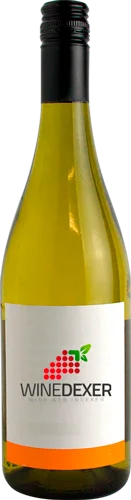
Winery Itinéraire des Saveurs
The winery offers 6 different wines
3.6


Note - 1Note - 1Note - 1Note - 0.5Note - 0
Its wines get an average rating of 3.6.
It is ranked in the top 111 of the estates of Cognac.
It is located in Cognac

The Winery Itinéraire des Saveurs is one of the best wineries to follow in Cognac.. It offers 6 wines for sale in of Cognac to come and discover on site or to buy online.
Top Winery Itinéraire des Saveurs wines

Looking for the best Winery Itinéraire des Saveurs wines in Cognac among all the wines in the region? Check out our tops of the best red, white or effervescent Winery Itinéraire des Saveurs wines. Also find some food and wine pairings that may be suitable with the wines from this area. Learn more about the region and the Winery Itinéraire des Saveurs wines with technical and enological descriptions.

The top natural sweet wines of Winery Itinéraire des Saveurs

Food and wine pairings with a natural sweet wine of Winery Itinéraire des Saveurs

How Winery Itinéraire des Saveurs wines pair with each other generally quite well with dishes of spicy food or sweet desserts such as recipes of kefta or apple pie.

The grape varieties most used in the natural sweet wines of Winery Itinéraire des Saveurs.

  • Muscat Blanc

Discovering the wine region of Cognac

Cognac is the most famous brandy in the world, more famous even than its OldGascon cousin, Armagnac. It comes from the Charentais, a vast region of western France immediately North of Bordeaux, and takes its name from the historic town of Cognac - the long-standing epicentre of local brandy production. In French, cognac is technically classified as an eau-de-vie de vin - a category that covers all spirits distilled from wine. The Full and official name of the brandy is actually "Eau-de-Vie de Cognac" or "Eau-de-Vie des Charentes", but the Short version has become so common that these longer versions almost never appear on labels.

Although little known, the Charentais is one of the largest vineyards in France. It is made up of two administrative departments (Charente and Charente-Maritime), each of which produces more wine per year than the whole of Burgundy. While some of this wine is basic table wine (sold as IGP / Vin de Pays or Vin de France), the vast majority is produced specifically for distillation into Cognac. Legally protected and regulated since May 1936, Cognac was among the very first AOC titles confirmed when the INAO was created in the mid 1930s.

The top sweet wines of Winery Itinéraire des Saveurs

Food and wine pairings with a sweet wine of Winery Itinéraire des Saveurs

How Winery Itinéraire des Saveurs wines pair with each other generally quite well with dishes such as recipes .

Discover the grape variety: Noual

This is an ancient grape variety from the southwest that used to be found mainly in the Lot (west of the Cahors vineyard) and Tarn-et-Garonne departments. It is now little present in the vineyard and is therefore in the process of disappearing, although it is listed in the Official Catalogue of Wine Grape Varieties, list A1.

Discover other wineries and winemakers neighboring the Winery Itinéraire des Saveurs

Planning a wine route in the of Cognac? Here are the wineries to visit and the winemakers to meet during your trip in search of wines similar to Winery Itinéraire des Saveurs.

Discover the grape variety: White muscat

White muscat is a white grape variety of Greek origin. Present in several Mediterranean vineyards, it has several synonyms such as muscat de Die, muscat blanc and frontignac. In France, it occupies a little less than 7,000 ha out of a total of 45,000 ha worldwide. Its young shoots are downy. Its youngest leaves are shiny, bronzed and scabrous. The berries and bunches of this variety are all medium-sized. The flesh of the berries is juicy, sweet and firm. Muscat à petits grains has a second ripening period and buds early in the year. It is moderately vigorous and must be pruned short. It likes poor, stony slopes. This variety is often exposed to spring frosts. It fears mildew, wasps, grape worms, court-noué, grey rot and powdery mildew. Muscat à petits grains is used to make rosé wines and dry white wines. Orange, brown sugar, barley sugar and raisins are the known aromas of these wines.

Discover other regions and appellation of Cognac