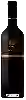
Winery ItenMarechal Foch Elfingen
 wine
wine
This wine generally goes well with
The Marechal Foch Elfingen of the Winery Iten is in the top 0 of wines of Aargau.
Details and technical informations about Winery Iten's Marechal Foch Elfingen.
Discover the grape variety: Altesse
The Altesse white grape variety is French in origin, but its ancestors were brought from Cyprus. It then developed in the vineyards of the southeast of the country. The Montagnieu fusette or arbane, as it is also called, buds early in the year. A cottony veil covers the first buds. The involuted blade and the U-shaped petiolar sinus distinguish the adult, three-lobed leaves. During, sometimes for late vengeance, the clusters of medium or small size are winged, compact and cylindrical.the fruits reveal a melting pulp under a film of variable color. The pink-tan colour replaces the early reddish yellow when the berries ripen. If they persist, the berries take on a lilac hue. The vinification promises sparkling, aromatic and elegant sweet whites, or dry whites. Altesse is a grape variety to be carefully maintained against acariosis and erinosis.
Informations about the Winery Iten
The Winery Iten is one of of the world's greatest estates. It offers 5 wines for sale in the of Aargau to come and discover on site or to buy online.

The wine region of Aargau
Aargau is a canton and wine appellation in the Center of Northern Switzerland, located immediately west of Zurich and Southeast of Basel. Its northern border traces the Rhine river, which separates it from the southern German region of Baden; this close connection is evident in the Germanic style of many Aargau wines. To confuse matters slightly, the canton's main concentration of Vineyards centers around a town named Baden at its eastern edge. Aargau produces mostly red wines, in keeping with the trends of other cantons in the German-speaking north of Switzerland.
The word of the wine: Flavours
There are generally four so-called fundamental flavours: acidity, bitterness, sweetness and saltiness. The first three are considered to be the building blocks of the structure of wines. They are perceived by the taste buds that cover the surface of the tongue.