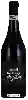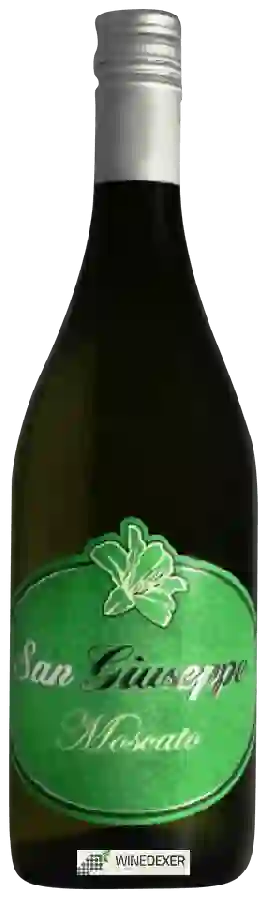
Winery San GiuseppeMoscato
 White wine


In the mouth this white wine is a powerful.
This wine generally goes well with vegetarian, appetizers and snacks or shellfish.

Taste structure of the Moscato from the Winery San Giuseppe
Light | Bold | |
Dry | Sweet | |
Soft | Acidic |
In the mouth the Moscato of Winery San Giuseppe in the region of Puglia is a powerful.
Food and wine pairings with Moscato
Pairings that work perfectly with Moscato



Original food and wine pairings with Moscato
The Moscato of Winery San Giuseppe matches generally quite well with dishes of shellfish, vegetarian or appetizers and snacks such as recipes of chicken and shrimp jambalaya, quiche without pastry, courgette and blue cheese or radicchio and pancetta rolls.
Details and technical informations about Winery San Giuseppe's Moscato.
Discover the grape variety: Roussin
Light and fruity reds with a light ruby colour, melted tannins and a light palate, offering discreet signature aromas of red fruits (cherry, strawberry) and floral notes. A confidential heritage profile. Now almost extinct, preserved in a few INRAE ampelographic collections, it bears witness to the varietal diversity of the old French vineyard. Rare French black variety, once grown in the Loire Valley and Burgundy.
Last vintages of this wine
The best vintages of Moscato from Winery San Giuseppe are 0
Informations about the Winery San Giuseppe
The Winery San Giuseppe is one of of the world's great estates. It offers 31 wines for sale in the of Puglia to come and discover on site or to buy online.

The wine region of Puglia
Heel of the boot, 80% red vineyard, sunny and generous. Fleshy, jammy Primitivo (= Zinfandel) with notes of black cherry, plum, chocolate and spices, powerful alcohol and melted tannins, a star in Primitivo di Manduria. Deep, structured Negroamaro (black-bitter) with a bitter finish in Salice Salentino. Structured Nero di Troia, spicy Susumaniello.
The word of the wine: N-M
Negociant-manipulant. Company that buys grapes, sometimes in addition to its own vineyard, elaborates and markets its champagne. Most of the big brands like Moët or Taittinger are N-M.