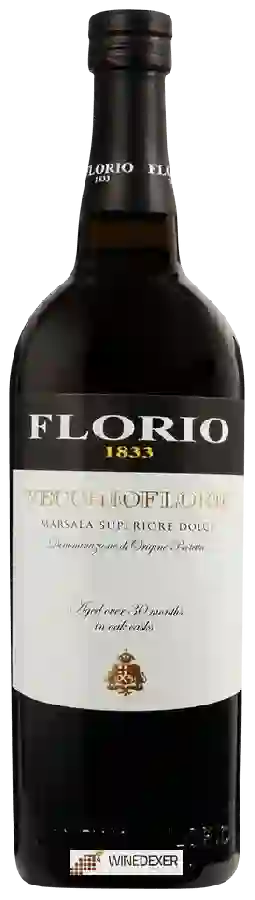
Winery FlorioVecchioflorio Marsala Superiore Dolce
 Natural sweet wine



This wine is composed of 100% of the grape variety Grillo.
This wine generally goes well with

Wine flavors and olphactive analysis





On the nose the Vecchioflorio Marsala Superiore Dolce of Winery Florio in the region of Sicily often reveals types of flavors of non oak, earth or microbio and sometimes also flavors of oak, tree fruit or spices.
Details and technical informations about Winery Florio's Vecchioflorio Marsala Superiore Dolce.
Discover the grape variety: Grillo
Structured, aromatic whites with ample mouth and fresh acidity, featuring aromas of ripe citrus, yellow peach, exotic fruits, white flowers, Mediterranean herbs and marine saline notes. Tonic finish. A historic key component of Marsala DOC and star of the modern Sicilian dry white revival (Sicilia DOC). Native Sicilian grape, a natural cross of Catarratto × Moscato d'Alessandria.
Last vintages of this wine
The best vintages of Vecchioflorio Marsala Superiore Dolce from Winery Florio are 2011, 2017, 2015, 2012 and 2018.
Informations about the Winery Florio
The Winery Florio is one of of the world's great estates. It offers 32 wines for sale in the of Sicilia to come and discover on site or to buy online.

The wine region of Sicilia
Sunny island with identity-driven wines. Signature Nero d'Avola as red: fleshy and fruity with notes of black cherry, candied plum, Mediterranean herbs, round tannins. Nerello Mascalese on Etna: fine, mineral red, volcanic ash and red fruits. Crunchy Frappato.
The wine region of Sicily
Major qualitative renewal. Sunny, expressive reds: fleshy, spicy Nero d'Avola (black cherry, blackberry, liquorice), fine, mineral Nerello Mascalese on Etna (recalls Pinot Noir), light, crisp Frappato in Cerasuolo di Vittoria DOCG. Lively, saline whites: Catarratto, fat, iodised Grillo, taut Carricante, floral Inzolia. Amber, walnutty fortified Marsala.
The word of the wine: Passerillage
Concentration of the grape by drying out, under the influence of wind or sun, as opposed to botrytisation, which is the concentration obtained by the development of the "noble rot" for which Botrytis cinerea is responsible. The word is mainly used for sweet wines.