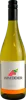
Winery Il VignoloGrechetto
 White wine



In the mouth this white wine is a with a nice freshness.
This wine generally goes well with vegetarian, appetizers and snacks or lean fish.

Taste structure of the Grechetto from the Winery Il Vignolo
Light | Bold | |
Dry | Sweet | |
Soft | Acidic |
In the mouth the Grechetto of Winery Il Vignolo in the region of Umbria is a with a nice freshness.
Food and wine pairings with Grechetto
Pairings that work perfectly with Grechetto



Original food and wine pairings with Grechetto


The Grechetto of Winery Il Vignolo matches generally quite well with dishes of pasta, vegetarian or appetizers and snacks such as recipes of pasta carbonara a la flo without egg, quiche without pastry or chorizo puff pastry.
Details and technical informations about Winery Il Vignolo's Grechetto.
Discover the grape variety: Trebbiano Toscano
Neutral, fresh dry whites with a pale golden robe, a supple palate and preserved acidity, with subtle aromas of citrus (lemon), white flowers and herbal notes. A rustic, productive profile. Component of Italian DOC whites (Vin Santo, white Chianti), massively used for Cognac distillation (as Ugni Blanc) and Jerez brandy. The most widely planted Trebbiano variety in Italy, grown mainly in Tuscany and Emilia-Romagna.
Last vintages of this wine
The best vintages of Grechetto from Winery Il Vignolo are 0
Informations about the Winery Il Vignolo
The Winery Il Vignolo is one of of the world's greatest estates. It offers 4 wines for sale in the of Umbria to come and discover on site or to buy online.

The wine region of Umbria
"Green heart" of Italy, cradle of Sagrantino: exceptional tannic red in Sagrantino di Montefalco DOCG, dense and concentrated with notes of blackberry, candied plum, liquorice, spice and leather, powerful tannins and long ageing. Suppler Sangiovese in blends, Cabernet and Merlot in Torgiano DOCG. Orvieto whites based on Grechetto and Trebbiano, full and almondy, from dry to sweet Muffato. ~13,000 ha between Tuscany and Lazio.
The word of the wine: Bâtonnage
A very old technique that has come back into fashion in modern oenology, which consists of shaking the white wine in the barrels at the end of fermentation, or after fermentation, with a stick or a flail, in order to suspend the fine lees composed of yeasts at the end of their activity. This process is sometimes used for red wines.