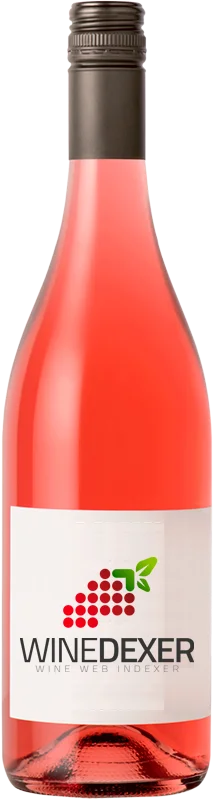
Winery Howard ParkMiamup Rosé
 Pink wine



This wine generally goes well with pork, poultry or beef.

Food and wine pairings with Miamup Rosé
Pairings that work perfectly with Miamup Rosé



Original food and wine pairings with Miamup Rosé



The Miamup Rosé of Winery Howard Park matches generally quite well with dishes of beef, lamb or veal such as recipes of veal shank with mushrooms, caramelized lamb mice or rabbit with hunter's sauce.
Details and technical informations about Winery Howard Park's Miamup Rosé.
Discover the grape variety: Pinot noir
Elegant reds, light in colour with silky tannins, showing strawberry, cherry and raspberry aromas, evolving to forest floor, mushroom and spice with age. Fresh acidity, delicate finish. Star of the Côte d'Or (Romanée-Conti, Chambertin, Volnay), pillar of Champagne (Blanc de Noirs) and signature of Oregon, Central Otago and Sonoma Coast. An early-ripening Burgundian variety, one of the world's greatest.
Last vintages of this wine
The best vintages of Miamup Rosé from Winery Howard Park are 0, 2018
Informations about the Winery Howard Park
The Winery Howard Park is one of of the world's great estates. It offers 50 wines for sale in the of Margaret River to come and discover on site or to buy online.

The wine region of Margaret River
Australia's south-western tip between Cape Naturaliste and Leeuwin: signature Cabernet Sauvignon as red king (~33%, the "Australian Bordeaux") — structured and elegant with notes of blackcurrant, blackberry, cedar, mint and a peppery touch, firm tannins. Racy mineral Chardonnay (citrus, white peach, hazelnut butter, like Burgundy). Lively Sauvignon-Sémillon in signature blend. Mediterranean climate tempered by two oceans, red laterites and limestone.
The wine region of Australie de l'Ouest
Australian premium on Margaret River. Signature Bordeaux Cabernet-Merlot blends in red: deep and refined with notes of ripe blackcurrant, eucalyptus, cedar and graphite, firm tannins and great ageing, often compared to Médoc. Chardonnay rated Australia's best: taut, saline and mineral (lemon, hazelnut, brioche). Lively Sauvignon-Sémillon (citrus, cut grass).
The word of the wine: Malolactic fermentation
Called second fermentation or malo for short. It is the degradation (under the effect of bacteria) of the malic acid naturally present in the wine into milder, less aggressive lactic acid. Some producers or wineries refuse this operation by "blocking the malo" (by cold and adding SO2) to keep a maximum of acidity which carries the aromas and accentuates the sensation of freshness.