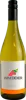
Winery HemaMéthode Dioise Ancestrale Tradition Clairette de Die
 wine
wine
This wine generally goes well with
The Méthode Dioise Ancestrale Tradition Clairette de Die of the Winery Hema is in the top 0 of wines of Clairette de Die.
Details and technical informations about Winery Hema's Méthode Dioise Ancestrale Tradition Clairette de Die.
Discover the grape variety: Arinto du Dâo
A very old variety known in Portugal and northwestern Spain (Galicia), but practically unknown elsewhere. In Greece, a variety bears the same name, so it could be the same variety. In Spain, however, we must discard the loureiro, whose synonym is arinto.
Last vintages of this wine



The best vintages of Méthode Dioise Ancestrale Tradition Clairette de Die from Winery Hema are 0
Informations about the Winery Hema
The Winery Hema is one of of the world's greatest estates. It offers 21 wines for sale in the of Clairette de Die to come and discover on site or to buy online.

The wine region of Clairette de Die
Clairette de Die is an appellation for Sparkling white wines from the area around the town of Die. It is located in the lower alpine foothills of the Eastern Rhône region of France. The wine is made by the traditional method (as in Champagne) entirely from Clairette grapes. It is generally marketed as Brut.
The wine region of Rhone Valley
The Rhone Valley is a key wine-producing region in Southeastern France. It follows the North-south course of the Rhône for nearly 240 km, from Lyon to the Rhône delta (Bouches-du-Rhône), near the Mediterranean coast. The Length of the valley means that Rhône wines are the product of a wide variety of soil types and mesoclimates. The viticultural areas of the region cover such a distance that there is a widely accepted division between its northern and southern parts.
The word of the wine: Bold
A wine with a smooth texture reminiscent of fats.