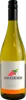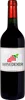
Winery Helga MayBodenheimer Burgweg Spätburgunder Weissherbst
 Pink wine
This wine generally goes well with vegetarian
Food and wine pairings with Bodenheimer Burgweg Spätburgunder Weissherbst
Pairings that work perfectly with Bodenheimer Burgweg Spätburgunder Weissherbst

Original food and wine pairings with Bodenheimer Burgweg Spätburgunder Weissherbst
The Bodenheimer Burgweg Spätburgunder Weissherbst of Winery Helga May matches generally quite well with dishes of vegetarian such as recipes of goat cheese and bacon quiche.
Details and technical informations about Winery Helga May's Bodenheimer Burgweg Spätburgunder Weissherbst.
Discover the grape variety: Oeillade noire
Probably originating in the Languedoc, oeillade Noire is known by other names such as olhada, aragnan noir, ulhat, hulliade or croque. This variety should not be confused with Cinsault, which is highly productive, producing up to 5kg per vine, and is particularly noted for its drooping habit and vigour. The black eye is a late bloomer. Oidium, mildew and grey rot are its main enemies. It requires a rather short pruning, coulure and millerandage could harm its development and the grapes it would bear. It prefers a good exposure and reaches maturity around the second half of August. Its bunches are of medium size and its fruits have a great resemblance to those of the Cinsault. They have been eaten fresh at the table for a long time. The wine produced from this variety is quite alcoholic and has a colour similar to that of a cherry. The variety is no longer multiplied and seems to be on the way out.
Informations about the Winery Helga May
The Winery Helga May is one of of the world's great estates. It offers 13 wines for sale in the of Rheinhessen to come and discover on site or to buy online.

The wine region of Rheinhessen
Rheinhessen is Germany's largest region for producing the quality wines of the Qualitätswein bestimmter Anbaugebiete (QbA) and Prädikatswein designations, with roughly 26,500 hectares (65,000 acres) of Vineyard">Vineyards as of 2014. Many of its most significant viticultural areas are favorably influenced by the Rhine river, which runs aLong its North and eastern borders. The Rhine, along with the Nahe river to the west and the Haardt mountains to its South, form a natural border. Rheinhessen covers an area south of Rheingau, north of Pfalz and east of Nahe, and is located within the Rhineland-Palatinate federal state.
The word of the wine: Jeroboam
Bottle with a capacity of 5 litres.