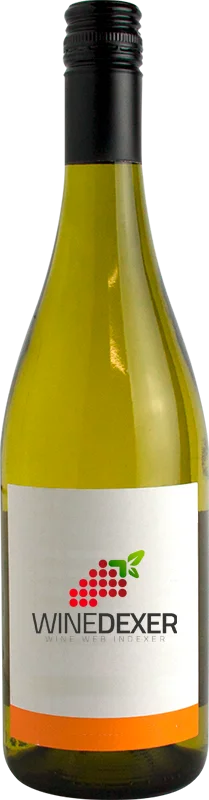
Winery Heinrich KriebsBrauneberger Juffer Riesling Auslese
 White wine
This wine generally goes well with pork, poultry or shellfish.
Food and wine pairings with Brauneberger Juffer Riesling Auslese
Pairings that work perfectly with Brauneberger Juffer Riesling Auslese



Original food and wine pairings with Brauneberger Juffer Riesling Auslese


The Brauneberger Juffer Riesling Auslese of Winery Heinrich Kriebs matches generally quite well with dishes of pork, shellfish or spicy food such as recipes of simple pork roast, scupion (small cuttlefish) in hot sauce or chicken with rice and curry cream.
Details and technical informations about Winery Heinrich Kriebs's Brauneberger Juffer Riesling Auslese.
Discover the grape variety: Soreli
Interspecific cross between sauvignonasse and kozma 20-3 obtained in 2002 at the University and Institute of Applied Genetics of Udine (Italy), which is also the case for fleurtai. Two genes for resistance to mildew could be identified, no gene for powdery mildew.
Informations about the Winery Heinrich Kriebs
The Winery Heinrich Kriebs is one of of the world's greatest estates. It offers 31 wines for sale in the of Mosel to come and discover on site or to buy online.

The wine region of Mosel
Mosel is the most famous of Germany's 13 official wine regions, and also the third largest in terms of production. As with many German regions, it is most aasociated with a range of wine styles made from the Riesling grape variety, but Müller-Thurgau is also widely planted. The best Mosel Riesling wines are some of the finest whites in the world. Light and low in Alcohol, they can be intensely fragrant with beguiling Floral">floral and Mineral notes, and a wonderful Balance of sweetness and Acidity.
The word of the wine: Rich
Said of a complex and concentrated wine, whose power suggests a good capacity for ageing.