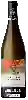
Winery HarkampNatural Gelber Muskateller
 White wine



This wine generally goes well with

Details and technical informations about Winery Harkamp's Natural Gelber Muskateller.
Discover the grape variety: Schönburger
Supple and aromatic reds to drink young with a clear ruby robe, soft tannins and an airy palate with fresh acidity, signature musky aromas, red fruits (cherry, raspberry) and floral notes. Fresh northern profile. Grown in Germany, England and Canada, well-adapted to northern viticultural climates, offering accessible reds. German black grape obtained in 1979 at Geisenheim (Pinot Noir x Pirovano 1).
Last vintages of this wine
The best vintages of Natural Gelber Muskateller from Winery Harkamp are 0
Informations about the Winery Harkamp
The Winery Harkamp is one of of the world's great estates. It offers 24 wines for sale in the of Südsteiermark to come and discover on site or to buy online.

The wine region of Südsteiermark
Austrian jewel of aromatic whites (southern Styria): signature Sauvignon Blanc as king of whites (~20% of 2,800 ha) — vibrant and crunchy with notes of green apple, gooseberry, elderflower, nettle, grapefruit and a touch of exotic fruit, tense acidity and chalky minerality. Lively Welschriesling, full Morillon (Chardonnay), floral Muscat among whites. Typical Schilcher rosé. DAC, Illyrian climate, shelly limestone and clay, steep slopes.
The wine region of Steirerland
Austrian Styria, the country's southernmost region around Graz down to the Slovenian border, vineyards on steep slopes up to 700 m, temperate southern climate. Signature Sauvignon Blanc as white king: lively and precise with notes of grapefruit, passion fruit, boxwood, elderflower and a mineral touch — mountain benchmark. Tense Welschriesling (green apple, citrus), ample Morillon (Chardonnay), floral Muskateller. Rustic Schilcher rosé from Blauer Wildbacher.
The word of the wine: Maturing (champagne)
After riddling, the bottles are stored on "point", upside down, with the neck of one bottle in the bottom of the other. The duration of this maturation is very important: in contact with the dead yeasts, the wine takes on subtle aromas and gains in roundness and fatness. A brut without year must remain at least 15 months in the cellar after bottling, a vintage 36 months.