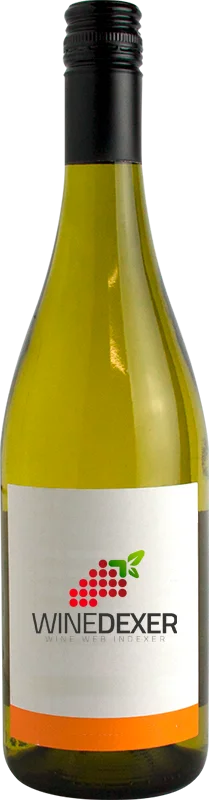
Winery HallenbachZeller Nussberg Riesling Fruchtsüss
 White wine
In the mouth this white wine is a with a nice freshness.
This wine generally goes well with pork, poultry or shellfish.
Taste structure of the Zeller Nussberg Riesling Fruchtsüss from the Winery Hallenbach
Light | Bold | |
Dry | Sweet | |
Soft | Acidic |
In the mouth the Zeller Nussberg Riesling Fruchtsüss of Winery Hallenbach in the region of Mosel is a with a nice freshness.
Food and wine pairings with Zeller Nussberg Riesling Fruchtsüss
Pairings that work perfectly with Zeller Nussberg Riesling Fruchtsüss



Original food and wine pairings with Zeller Nussberg Riesling Fruchtsüss


The Zeller Nussberg Riesling Fruchtsüss of Winery Hallenbach matches generally quite well with dishes of pork, shellfish or spicy food such as recipes of andouillette and baked potato gratin, chicken with scampi for christmas or sun wheat.
Details and technical informations about Winery Hallenbach's Zeller Nussberg Riesling Fruchtsüss.
Discover the grape variety: Riesling
White Riesling is a grape variety that originated in France (Alsace). It produces a variety of grape specially used for the elaboration of wine. It is rare to find this grape to eat on our tables. This variety of grape is characterized by small bunches, and small grapes. White Riesling can be found in many vineyards: Alsace, Loire Valley, Languedoc & Roussillon, Lorraine, Provence & Corsica, Rhone Valley, Savoie & Bugey, Beaujolais, South West.
Informations about the Winery Hallenbach
The Winery Hallenbach is one of of the world's greatest estates. It offers 19 wines for sale in the of Mosel to come and discover on site or to buy online.

The wine region of Mosel
Mosel is the most famous of Germany's 13 official wine regions, and also the third largest in terms of production. As with many German regions, it is most aasociated with a range of wine styles made from the Riesling grape variety, but Müller-Thurgau is also widely planted. The best Mosel Riesling wines are some of the finest whites in the world. Light and low in Alcohol, they can be intensely fragrant with beguiling Floral">floral and Mineral notes, and a wonderful Balance of sweetness and Acidity.
The word of the wine: Phenolic ripeness
A distinction is made between the ripeness of sugars and acids and the ripeness of tannins and other compounds such as anthocyanins and tannins, which will bring structure and colour. Grapes can be measured at 13° potential without having reached this phenolic maturity. Vinified at this stage, they will give hard, astringent wines, without charm.