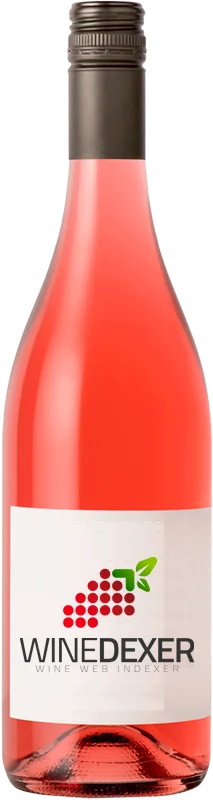
Winery H.J. ErnstSpätburgunder Weissherbst Trocken
 Pink wine



This wine generally goes well with vegetarian

Wine flavors and olphactive analysis

On the nose the Spätburgunder Weissherbst Trocken of Winery H.J. Ernst in the region of Rheingau often reveals types of flavors of red fruit.
Food and wine pairings with Spätburgunder Weissherbst Trocken
Pairings that work perfectly with Spätburgunder Weissherbst Trocken

Original food and wine pairings with Spätburgunder Weissherbst Trocken
The Spätburgunder Weissherbst Trocken of Winery H.J. Ernst matches generally quite well with dishes of vegetarian such as recipes of quiche lorraine.
Details and technical informations about Winery H.J. Ernst's Spätburgunder Weissherbst Trocken.
Discover the grape variety: Téoulier
Supple, fruity reds with a pale colour, a light ruby robe, silky tannins and an airy palate with preserved acidity. Aromas of red fruits (cherry, raspberry) and Mediterranean spice (garrigue, thyme). Discreet Provençal profile. Preserved for its heritage value, it survives on a few heritage plots in Provence and is among the ancient varieties under study. A native French black grape from Provence and the Alpes-Maritimes.
Last vintages of this wine
The best vintages of Spätburgunder Weissherbst Trocken from Winery H.J. Ernst are 2018, 0
Informations about the Winery H.J. Ernst
The Winery H.J. Ernst is one of of the world's greatest estates. It offers 32 wines for sale in the of Rheingau to come and discover on site or to buy online.

The wine region of Rheingau
Historic cradle of great German Riesling: age-worthy whites of rare precision, from taut dry (Trocken) to botrytised sweet (Auslese, Beerenauslese, TBA) with notes of peach, citrus, acacia honey, noble petrol and slatey minerality. Riesling king on ~80% of the vineyard. Also Spätburgunder (Pinot Noir, 8%), notably the fine, silky Assmannshausen. 3,100 ha on south-facing slopes overlooking the Rhine (Hesse).
The word of the wine: Drawing
Synonymous with racking.