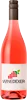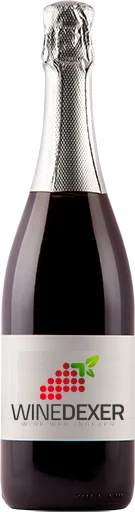
Winery Гусевъ (Gusev)Пет-Нат (Pet-Nat)
 Sparkling wine



This wine generally goes well with appetizers and snacks, lean fish or shellfish.
The Пет-Нат (Pet-Nat) of the Winery Гусевъ (Gusev) is in the top 20 of wines of Lower Volga.

Food and wine pairings with Пет-Нат (Pet-Nat)
Pairings that work perfectly with Пет-Нат (Pet-Nat)



Original food and wine pairings with Пет-Нат (Pet-Nat)

The Пет-Нат (Pet-Nat) of Winery Гусевъ (Gusev) matches generally quite well with dishes of shellfish, appetizers and snacks or lean fish such as recipes of creamy tomato squid, apple chips or monkfish tail with coconut milk and curry.
Details and technical informations about Winery Гусевъ (Gusev)'s Пет-Нат (Pet-Nat).
Discover the grape variety: Centennial seedless
Table grape with long bunches and elongated golden seedless (pipless) berries, thin skin and crunchy flesh with a pleasant sweet flavour. Early ripening and productive. Very rarely vinified. Grown in California, Chile, South Africa and Australia for export markets, prized for its attractive appearance and good shelf life. American seedless white table grape variety, developed in California in 1980.
Last vintages of this wine
The best vintages of Пет-Нат (Pet-Nat) from Winery Гусевъ (Gusev) are 0
Informations about the Winery Гусевъ (Gusev)
The Winery Гусевъ (Gusev) is one of of the world's greatest estates. It offers 16 wines for sale in the of Lower Volga to come and discover on site or to buy online.

The wine region of Lower Volga
Russian vineyard along the lower Volga (from the Caspian delta to Volgograd), harsh continental climate requiring winter earthing-up of vines, sandy and loamy soils. Rkatsiteli (imported from Georgia, >1/3 of plantings) is the signature white: dry and crisp with citrus, green apple, white flowers, herbs and a mineral edge, taut acidity. Aligoté and Riesling also produced. Cold-resistant hybrids planted widely.
The word of the wine: Burgundy melon
A white grape variety from Burgundy that is not widely used in its native region, but has spread to the Nantes region. It is the exclusive variety of Muscadet. It gives a dry pale yellow wine, supple and lively, with an intense bouquet, to which maturing on lees gives fatness and aromatic complexity.