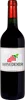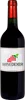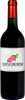
Château Guiraud BoissezonCuvée Melanie
 Red wine
This wine generally goes well with beef, veal or pasta.

Food and wine pairings with Cuvée Melanie
Pairings that work perfectly with Cuvée Melanie



Original food and wine pairings with Cuvée Melanie
The Cuvée Melanie of Château Guiraud Boissezon matches generally quite well with dishes of beef, pasta or veal such as recipes of thai beef skewers, pasta with boursin or paupiettes à la mérignicaise.
Details and technical informations about Château Guiraud Boissezon's Cuvée Melanie.
Discover the grape variety: Dunkelfelder
Intensely coloured and supple reds with an inky, near-black robe, melted tannins and a fruity mouthfeel, with simple aromas of black fruits (blackberry, blackcurrant), cherry, plum and floral notes. A dye variety (red pulp) mainly used in blending to boost the colour of light reds (notably Pinot Noir) in Germany (Pfalz), Switzerland and England. A German hybrid created in 1939 at Geisenheim (Färbertraube × Pinot Noir).
Informations about the Château Guiraud Boissezon
The Château Guiraud Boissezon is one of of the world's great estates. It offers 5 wines for sale in the of Saint-Chinian to come and discover on site or to buy online.

The wine region of Saint-Chinian
Languedoc cru between Beziers and Saint-Pons, signature dual terroir. Fleshy Mediterranean reds with notes of black fruit (blackberry, black cherry), garrigue, pepper, liquorice and spice, firm tannins and a sun-drenched palate. Northern schists: fruitier, smokier profile. Southern clay-limestone: more structured wines.
The wine region of Languedoc-Roussillon
Largest single French vineyard, dominated by sunny, generous reds. Spicy Syrah, candied Grenache (ripe fruit, garrigue), structured Carignan, deep Mourvèdre, supple Cinsault. Stars: structured Corbières, Minervois, Faugères, Saint-Chinian; round Côtes-du-Roussillon. Legendary vins doux naturels: Banyuls and Maury (fortified Grenache) with notes of cocoa, fig, prune.
The word of the wine: Guyot (pruning)
This is the most widespread pruning technique. It includes one or two long branches and allows the mechanization of a large number of vineyard operations.