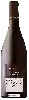
Winery Guillaume GillesLe Saint-Péray
 wine
wine
This wine generally goes well with
The Le Saint-Péray of the Winery Guillaume Gilles is in the top 0 of wines of Saint-Péray.

Details and technical informations about Winery Guillaume Gilles's Le Saint-Péray.
Discover the grape variety: Durella
Lively and structured dry whites with a pale golden robe and green highlights, a lean palate with very high acidity, showing signature aromas of citrus (lemon, grapefruit), green apple, white flowers and volcanic mineral notes. Also as taut and refreshing traditional-method sparkling wines. Star of Lessini Durello DOC, particularly suited to high-altitude sparkling wines. Native white Italian grape from Veneto, grown in the province of Verona on the Monti Lessini.
Informations about the Winery Guillaume Gilles
The Winery Guillaume Gilles is one of of the world's greatest estates. It offers 8 wines for sale in the of Saint-Péray to come and discover on site or to buy online.

The wine region of Saint-Péray
Cru of the northern Rhone (right bank, west of Valence, Ardeche, granitic soils): signature dominant Marsanne as white king (90%) with Roussanne — sparkling style (2/3 of production) with pale straw robe, floral nose, aromas of chestnut, apricot, toast, honey and almond, fine bubbles and airy mousse. Still wines with low acidity: dried apricot, acacia, beeswax, quince, white peach. Champagne method since 1829, signature finesse.
The wine region of Rhone Valley
France's 2nd-largest AOC vineyard, two complementary worlds. Northern: pure Syrah in signature reds (Côte-Rôtie, Hermitage, Cornas), deep and peppery with blackberry, violet, black olive and smoked bacon notes, exceptional ageing. Opulent Viognier whites (Condrieu, apricot, flowers) and ample Marsanne-Roussanne. Southern: sun-soaked Grenache blends at Châteauneuf, Gigondas, Vacqueyras (candied fruit, garrigue).
The word of the wine: Drawing (liqueur de)
In champagne and sparkling wines of traditional method, addition to the wine, at the time of bottling (tirage) of sugars and yeasts dissolved in wine. These components will provoke the second fermentation in the bottle leading to the formation of carbon dioxide bubbles.