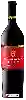
Winery GrusignacХванчкара Красное Полусладкое (Khvanchkara Red Semisweet)
 Red wine


This wine generally goes well with

Details and technical informations about Winery Grusignac's Хванчкара Красное Полусладкое (Khvanchkara Red Semisweet).
Discover the grape variety: Corinthe
Emblematic raisin of the Peloponnese (currants), with small seedless grapes of intensely coloured, thin-skinned berries with concentrated sweet flesh. Rarely vinified. Grown in Greece, Australia and California, used almost exclusively for the production of traditional Greek raisins used in pastry and cooking, emblematic of ancestral Aegean viticulture. Greek seedless white variety, grown mainly for Corinth raisins.
Last vintages of this wine
The best vintages of Хванчкара Красное Полусладкое (Khvanchkara Red Semisweet) from Winery Grusignac are 0
Informations about the Winery Grusignac
The Winery Grusignac is one of of the world's greatest estates. It offers 15 wines for sale in the of Khvanchkara to come and discover on site or to buy online.

The wine region of Khvanchkara
Georgian appellation north-west of Ambrolauri (Racha), vineyards at 450-750 m on humo-carbonate soils. Natural semi-sweet red signatures (Aleksandrouli 60% + Mujuretuli 40%) with deep ruby colour and velvety palate: vibrant aromas of blackberry, black cherry, candied raspberry, plum, liquorice and a cinnamon touch, natural sugars from over-ripening. Historic Georgian banquet wine (since 1927). Millenary qvevri tradition.
The wine region of Racha-Lechkhumi
Prestigious small region in north-west Georgia in the high Caucasus valleys, altitude vineyards on schisto-calcareous soils. Aleksandrouli is the native king in reds: full-bodied and rich with notes of black cherry, blackberry, plum, spices and a floral touch, dense tannins — blended with Mujuretuli for the flagship Khvanchkara (legendary semi-sweet red, favourite of Stalin). Rare native Usakhelauri and Otskhanuri Sapere. Textured Tsolikouri in whites.
The word of the wine: Maceration
Prolonged contact and exchange between the juice and the grape solids, especially the skin. Not to be confused with the time of fermentation, which follows maceration. The juice becomes loaded with colouring matter and tannins, and acquires aromas. For a rosé, the maceration is short so that the colour does not "rise" too much. For white wines too, a "pellicular maceration" can be practised, which allows the wine to acquire more fat.