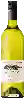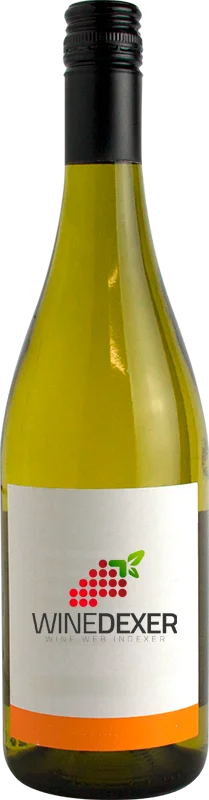
Winery Grey SandsChardonnay - Viognier
 White wine


This wine is a blend of 2 varietals which are the Chardonnay and the Viognier.
This wine generally goes well with pork, vegetarian or poultry.

Food and wine pairings with Chardonnay - Viognier
Pairings that work perfectly with Chardonnay - Viognier



Original food and wine pairings with Chardonnay - Viognier



The Chardonnay - Viognier of Winery Grey Sands matches generally quite well with dishes of pork, game (deer, venison) or rich fish (salmon, tuna etc) such as recipes of tartiflette (from a real savoyard), blood duck (tour d'argent) or tuna and cream cheese pie.
Details and technical informations about Winery Grey Sands's Chardonnay - Viognier.
Discover the grape variety: Chardonnay
Whites with many faces: mineral and taut at Chablis (lemon, green apple, flint), opulent and buttery at Meursault and Puligny-Montrachet (hazelnut, brioche, yellow fruits), tense and chalky in Champagne (Blanc de Blancs). Also vinified sparkling and widely exported (Sonoma, Margaret River, Casablanca). A Burgundian variety, a cross of Pinot Noir × Gouais Blanc, half-sibling of Aligoté.
Last vintages of this wine
The best vintages of Chardonnay - Viognier from Winery Grey Sands are 0
Informations about the Winery Grey Sands
The Winery Grey Sands is one of of the world's greatest estates. It offers 10 wines for sale in the of Tasmanie to come and discover on site or to buy online.

The wine region of Tasmanie
Cool austral island south of Australia, a cool-climate benchmark. Signature Pinot Noir: fine, fresh reds with notes of red cherry, raspberry, wild strawberry and spices, delicate tannins and taut acidity — often compared to Burgundy. Precise, mineral Chardonnay (lemon, brioche), vibrant dry Riesling. Renowned speciality: refined traditional-method sparklers, among the best outside France.
The word of the wine: Guyot (pruning)
This is the most widespread pruning technique. It includes one or two long branches and allows the mechanization of a large number of vineyard operations.