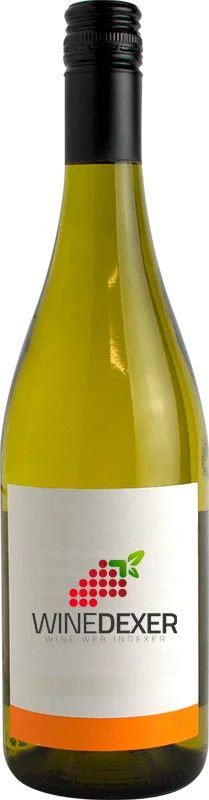
Château GravelinesGrains Nobles Saint-Croix-du-Mont
 Sweet wine
This wine generally goes well with
Details and technical informations about Château Gravelines's Grains Nobles Saint-Croix-du-Mont.
Discover the grape variety: Nosiola
This is an ancient indigenous variety that has been cultivated for a long time in the north-east of Italy, particularly in the Trentino-Alto Adige region, although it has been somewhat neglected. It is related to rèze and groppello bianco, but should not be confused with veneto durella. The Nosiola can be found in Spain, Australia, ... in France it is almost unknown.
Informations about the Château Gravelines
The Château Gravelines is one of wineries to follow in Saint-Croix-du-Mont.. It offers 20 wines for sale in the of Saint-Croix-du-Mont to come and discover on site or to buy online.

The wine region of Saint-Croix-du-Mont
The wine region of Saint-Croix-du-Mont is located in the region of Entre-deux-Mers of Bordeaux of France. Wineries and vineyards like the Château Loubens or the Château du Mont produce mainly wines sweet, white and red. The most planted grape varieties in the region of Saint-Croix-du-Mont are Muscadelle, Cabernet-Sauvignon and Merlot, they are then used in wines in blends or as a single variety. On the nose of Saint-Croix-du-Mont often reveals types of flavors of raisin, mango or tropical and sometimes also flavors of orange peel, passion fruit or melon.
The wine region of Bordeaux
Bordeaux, in southwestern France, is one of the most famous, prestigious and prolific wine regions in the world. The majority of Bordeaux wines (nearly 90% of the production Volume) are the Dry, medium and Full-bodied red Bordeaux blends for which it is famous. The finest (and most expensive) are the wines of the great châteaux of Haut-Médoc and the right bank appellations of Saint-Émilion and Pomerol. The former focuses (at the highest level) on Cabernet Sauvignon, the latter on Merlot.
The word of the wine: Draft liquor (champagne)
After blending, the wine is bottled with a liqueur de tirage (a mixture of sugar and wine) and a yeast (selected yeasts). The yeast attacks the sugar and creates carbon dioxide. The fermentation, which lasts about two months, is prolonged by an ageing period (15 months minimum in total). The bottle is capped (some rare vintages are capped with a staple and a cork).