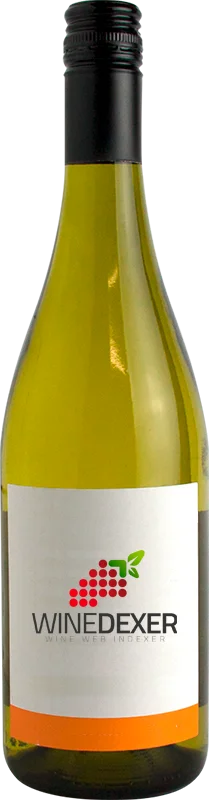
Winery Gosch FischPinot Grigio
 White wine


In the mouth this white wine is a .
This wine generally goes well with pork, cured meat or mushrooms.

Taste structure of the Pinot Grigio from the Winery Gosch Fisch
Light | Bold | |
Dry | Sweet | |
Soft | Acidic |
In the mouth the Pinot Grigio of Winery Gosch Fisch in the region of Nahe is a .
Food and wine pairings with Pinot Grigio
Pairings that work perfectly with Pinot Grigio



Original food and wine pairings with Pinot Grigio

The Pinot Grigio of Winery Gosch Fisch matches generally quite well with dishes of pork, spicy food or mushrooms such as recipes of potato and bacon omelette, mussels with curry or veal shank with mushrooms.
Details and technical informations about Winery Gosch Fisch's Pinot Grigio.
Discover the grape variety: Garnacha
Generous, warm reds with an evolving ruby robe, smooth tannins and an ample palate, showing intense aromas of ripe red fruits (cherry, candied raspberry), garrigue, dry herbs, spices, liquorice and sun-drenched notes. Also in luscious rosés and sweet wines (Banyuls). Absolute star of Priorat DOQ, pillar of Rioja DOCa, Garnacha de Aragón, Campo de Borja DO, Calatayud DO and Châteauneuf-du-Pape AOC. Aragonese autochthonous variety, one of the most planted worldwide.
Last vintages of this wine
The best vintages of Pinot Grigio from Winery Gosch Fisch are 0
Informations about the Winery Gosch Fisch
The Winery Gosch Fisch is one of of the world's great estates. It offers 20 wines for sale in the of Nahe to come and discover on site or to buy online.

The wine region of Nahe
Homeland of a mineral Riesling of exceptional geological expression: lively, precise whites with notes of peach, citrus, green apple, gunflint and fine salinity, from taut dry to botrytised sweet. 75% whites, Riesling king (27%) complemented by round Pinot Gris and supple Pinot Blanc. Rising reds: silky Spätburgunder with red fruit, darker Dornfelder. 4,240 ha along the Nahe river, among the most diverse soils in Germany (180 formations).
The word of the wine: Reasoned (agriculture)
Conventional agriculture but concerned with limiting synthetic treatments as much as possible.