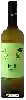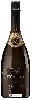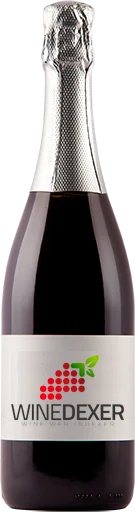
Winery GirofléEspumante Bruto
 Sparkling wine



This wine is a blend of 3 varietals which are the Alvarinho, the Loureiro and the Verdelho.
This wine generally goes well with

Discover the grape variety: Alvarinho
Lively, aromatic whites with cutting acidity and a slender mouth, featuring intense aromas of citrus, white peach, apricot, white flowers, passion fruit and iodised Atlantic saline notes. Tonic, long finish. The absolute star of the Monção e Melgaço sub-region (Vinho Verde DOC), it signs the finest Portuguese Vinho Verde. Also made as a single variety in the Douro. The Portuguese name for Galician Albariño, native to the northwest Iberian peninsula.
Last vintages of this wine
The best vintages of Espumante Bruto from Winery Giroflé are 2013, 0, 2014
Informations about the Winery Giroflé
The Winery Giroflé is one of of the world's greatest estates. It offers 7 wines for sale in the of Douro to come and discover on site or to buy online.

The wine region of Douro
Cradle of Port: opulent fortified wine with notes of candied black fruit, cocoa, fig, walnut and spice, from young fruity Ruby to oxidative amber Tawny, plus age-worthy LBV and Vintage of exceptional cellaring. Also great dry Douro DOC reds, structured and deep (violet, black-fruited Touriga Nacional, elegant Touriga Franca, spicy Tinta Roriz). A few fresh Douro whites. Terraced vineyards (~40,000 ha) UNESCO on schist.
The wine region of Duriense
Portuguese IGP covering the Douro and Porto area (northeast), schist soils on vertiginous terraced slopes, dry continental climate, flexible status outside DOC. Touriga Nacional signature as red king (300+ authorised varieties): intense and floral with blackberry, black cherry, violet, garrigue, liquorice and mineral schist hint, firm tannins — noble Douro emblem. Supple Touriga Franca and spicy Tinta Roriz as complement. Fresh mineral whites and creative modern sparkling.
The word of the wine: Food and wine pairing
It is the set of techniques that allow for the pleasant combination of food and wine. Food and wine pairing is based on a few basic principles, such as similarity, complementarity or contrast, and involves all the elements that make up the wine and the food (flavours, textures, aromas, etc.).