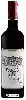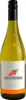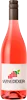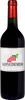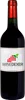
Winery GinestetMonbazillac Château Barriére
 Red wine
This wine generally goes well with

Details and technical informations about Winery Ginestet's Monbazillac Château Barriére.
Discover the grape variety: Florental
Simple, colourful fruity reds with a dark ruby hue, lightly marked to firm tannins and a straightforward palate; signature aromas of red fruits (cherry, raspberry), gentle spices and herbaceous notes. Modern, productive profile. Grown in small quantities in France and Belgium, used in organic and sustainable vineyards, part of the new generation of disease-resistant varieties. French black hybrid developed in the 20th century.
Informations about the Winery Ginestet
The Winery Ginestet is one of of the world's great estates. It offers 235 wines for sale in the of Monbazillac to come and discover on site or to buy online.

The wine region of Monbazillac
World's largest sweet AOC south of Bergerac (South-West): signature Sémillon as king white with Sauvignon and Muscadelle — medium-sweet to botrytized sweet wines with opulent notes of honey, candied apricot, quince, pineapple, mango, beeswax, saffron and a touch of spice, unctuousness balanced by fine acidity. Successive picking of noble grapes mandatory. AOC (1936), ~2,320 ha on clay-limestone slopes, morning mists favoring Botrytis cinerea, 10-50 year aging.
The wine region of South West
French mosaic of strong identities south of Bordeaux. Cahors and its Malbec ("black wine"): deep reds with notes of blackberry, plum, violet, tobacco and cocoa, firm tannins. Madiran and its dense, age-worthy Tannat. Jurançon whites: golden sweet (apricot, honey, pineapple) and lively dry from Petit Manseng.
The word of the wine: Muscat blanc à petits grains
A white grape variety cultivated since antiquity on the shores of the Mediterranean, it is considered the noblest of the muscats. It is mainly used to make sweet wines, often from mutage. In France, it is the sole variety used in many natural sweet wines: muscat-de-frontignan, muscat-de-mireval, muscat-de-lunel, muscat-de-saint-jean-de-minervois, muscat-de-beaumes-de-venise, muscat-du-cap-corse. Combined with Muscat d'Alexandrie, it gives Muscat-de-Rivesaltes. It is also used to make sparkling white wines (clairette-de-die; moscato d'asti and asti spumante in Italy) and dry wines (alsace-muscat). Powerfully aromatic and complex, its wines evoke fresh grapes, roses, exotic fruits, citrus fruits and spices.