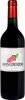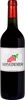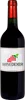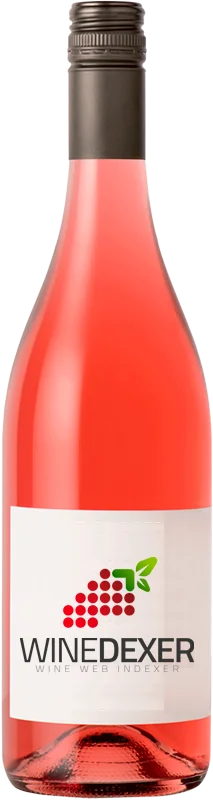
Winery Gilbert ChetailleBeaujolais-Villages Rosé
 Pink wine
This wine generally goes well with
Details and technical informations about Winery Gilbert Chetaille's Beaujolais-Villages Rosé.
Discover the grape variety: Dureza
This grape variety is said to originate in the north of the Ardèche department, but we find it very similar to Duras from the Gaillac region (Tarn). D.N.A. analyses have shown that Syrah is related to Mondeuse Blanche (mother) and Dureza (father). Italian and Swiss researchers have also suggested that Dureza, which is now endangered, is a brother or sister of the Italian variety Teroldego and that Pinot Noir is a close relative. Dureza is registered in the Official Catalogue of wine grape varieties, list A1. - Synonym: duré or duret (for all the synonyms of the grape varieties, click here!).
Informations about the Winery Gilbert Chetaille
The Winery Gilbert Chetaille is one of wineries to follow in Beaujolais-Villages.. It offers 7 wines for sale in the of Beaujolais-Villages to come and discover on site or to buy online.

The wine region of Beaujolais-Villages
Beaujolais Villages is the appellation for red, white and rosé wines from an area of 38 villages in the northern Beaujolais. The hilly terrain and granitic soil are considered superior to the flatter land of southern Beaujolais. As a result, Beaujolais Villages wines are considered to be of higher quality than those of the simple Beaujolais appellation. These juicy, light wines are based largely on the Gamay Grape.
The wine region of Beaujolais
Beaujolais is an important wine region in eastern France, famous for its vibrant, Fruity red wines made from Gamay. It is located immediately South of Burgundy, of which it is sometimes considered a Part, although it is in the administrative region of Rhône. The extensive plantings of Gamay in this region make Beaujolais one of the few regions in the world that is so concentrated on a single Grape variety. Pinot Noir is used in small quantities in red and rosé wines, but in the name of regional identity, it is being phased out and will only be allowed until the 2015 harvest.
The word of the wine: Reassembly
During the vinification process, a "cap" is formed at the top of the vats with the solid parts (skin, pulp, pips, etc.), which contain tannins and colouring elements. Pumping over consists of emptying the vat from the bottom and pouring the juice back to the top, in order to mix the cap and the juice and to favour the exchange and the extraction. This old technique allows a better exchange between the solid parts and the liquid.