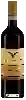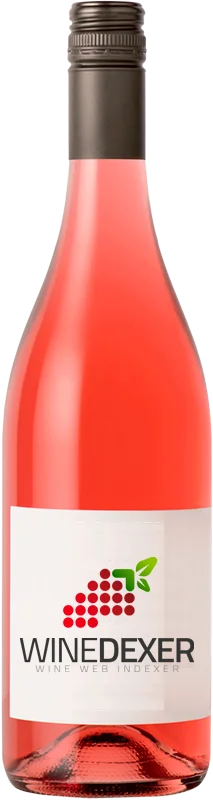
Winery Giacomo VicoRosero Langhe Rosato
 Pink wine



This wine generally goes well with

Details and technical informations about Winery Giacomo Vico's Rosero Langhe Rosato.
Discover the grape variety: Prunelard
Structured, colourful reds with a dark ruby hue, firm tannins and a dense palate, with signature aromas of black fruits (blackberry, blackcurrant), plum, sloe (hence its name), black cherry, spices and balsamic notes. Fine ageing potential. Once nearly extinct, rediscovered and preserved for its genetic value: biological parent of malbec. Grown by a handful of Gaillac winemakers in Gaillac AOC. Native French variety from the South-West, ancestral identity.
Last vintages of this wine
The best vintages of Rosero Langhe Rosato from Winery Giacomo Vico are 0
Informations about the Winery Giacomo Vico
The Winery Giacomo Vico is one of of the world's great estates. It offers 18 wines for sale in the of Langhe to come and discover on site or to buy online.

The wine region of Langhe
Italy's wine-and-food capital, UNESCO terroir of Piedmont. Heart of Nebbiolo: Barolo DOCG, "king of wines", and Barbaresco DOCG, age-worthy reds with firm tannins, vivid acidity and complex aromas of withered rose, morello cherry, tar, white truffle and undergrowth. More accessible Langhe DOC (Nebbiolo, crunchy Dolcetto, Freisa). Round almondy Arneis whites from Roero.
The wine region of Piedmont
Kingdom of Nebbiolo: Barolo and Barbaresco DOCG, long-ageing reds with firm tannins and lively acidity, complex aromas of withered rose, sour cherry, tar, truffle and undergrowth. More accessible, tangy Barbera on red fruit, supple, crisp Dolcetto. Sweet, floral sparkling Moscato d'Asti, mineral, lemony Gavi (Cortese) white, round, almondy Arneis from Roero. 50,000 ha across the Langhe, Roero and Monferrato, UNESCO.
The word of the wine: Chair
Characteristic of a wine that gives an impression of fullness and density in the mouth, without any roughness.