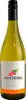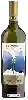
Winery GhibertiVernaccia di San Gimignano
 wine
wine
This wine generally goes well with
The Vernaccia di San Gimignano of the Winery Ghiberti is in the top 0 of wines of Vernaccia di San Gimignano.
Details and technical informations about Winery Ghiberti's Vernaccia di San Gimignano.
Discover the grape variety: La Crescent
A direct-producer hybrid of American origin resulting from an interspecific cross between Saint Pepin and Elmer Swenson 6-8-25 (vitis riparia X Hamburg muscatel) obtained in 1988 by Peter Hemstad and James Luby at the University of Minnesota Research Center (United States). It can also be found in Canada, Ukraine, Russia, etc. and is virtually unknown in France.
Informations about the Winery Ghiberti
The Winery Ghiberti is one of of the world's greatest estates. It offers 5 wines for sale in the of Vernaccia di San Gimignano to come and discover on site or to buy online.

The wine region of Vernaccia di San Gimignano
The wine region of Vernaccia di San Gimignano is located in the region of San Gimignano of Toscane of Italy. Wineries and vineyards like the Domaine Vagnoni or the Domaine Vagnoni produce mainly wines white, red and sparkling. The most planted grape varieties in the region of Vernaccia di San Gimignano are Chardonnay, Sangiovese and Vermentino, they are then used in wines in blends or as a single variety. On the nose of Vernaccia di San Gimignano often reveals types of flavors of citrus, mango or grass and sometimes also flavors of straw, grapefruit or caramel.
The wine region of Tuscany
Tuscany is one of the most famous and prolific wine regions in Europe. It is best known for its Dry red wines made from Sangiovese grapes, which dominate production. These include Chianti, Brunello di Montalcino and Vino Nobile di Montepulciano. The region's Vin Santo is also highly prized, as are its passito dessert wines, though these are produced in comparatively tiny quantities.
The word of the wine: Aging on lees
Maturing on the lees enhances the stability, aromatic complexity and texture of white wines, which gain in body and volume. This phenomenon is induced by autolysis, the process of self-degradation of the lees.