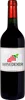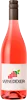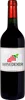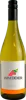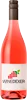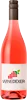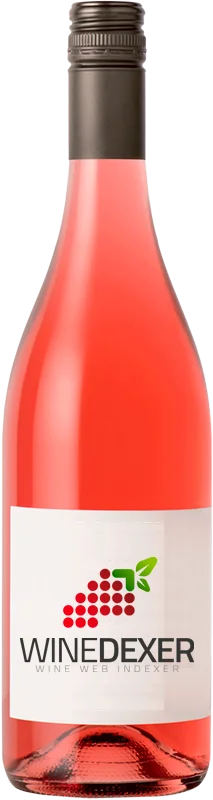
Winery Game ChangerThe Castaway Rosé
 Pink wine



This wine generally goes well with

Details and technical informations about Winery Game Changer's The Castaway Rosé.
Discover the grape variety: Vernatsch
Light, fruity reds with a clear ruby robe, silky tannins and an airy, fresh palate, with signature aromas of red fruits (strawberry, cherry), soft spices, almond and alpine floral notes. A distinctively refreshing profile to drink young. Star of Alto Adige Vernatsch DOC and Lago di Caldaro DOC, the alpine signature of South Tyrol. German synonym of the Italian Schiava, native black grape of Südtirol, widely planted in Alto Adige and Trentino.
Last vintages of this wine
The best vintages of The Castaway Rosé from Winery Game Changer are 0
Informations about the Winery Game Changer
The Winery Game Changer is one of of the world's greatest estates. It offers 8 wines for sale in the of Niagara Peninsula to come and discover on site or to buy online.

The wine region of Niagara Peninsula
World reference for Icewine: concentrated sweet wines from grapes frozen on the vine, golden colour, signature notes of candied apricot, mango, honey, citrus and exotic fruit, high sugar balanced by lively acidity. 90% of Canadian Icewine (Vidal for fruit, Riesling for finesse). Cool-climate still wines: mineral Riesling, precise Chardonnay, fine Pinot Noir, peppery Cabernet Franc. Southern shores of Lake Ontario.
The wine region of Ontario
World reference for Canadian Icewine: exceptional sweet wines from grapes frozen on the vine, golden colour, signature notes of candied apricot, mango, honey, citrus and exotic fruits, opulent sugar balanced by taut acidity (Vidal for fruit, Riesling for finesse). Cool-climate still wines: mineral, lively Riesling, precise Chardonnay, fine Pinot Noir (cherry, undergrowth), peppery Cabernet Franc. ~5,500 ha on the Niagara Peninsula between Lake Ontario and the escarpment, VQA.
The word of the wine: Malvasia
Name given locally to various grape varieties, notably pinot gris (Pays nantais) and vermentino (Provence and Corsica).