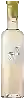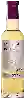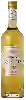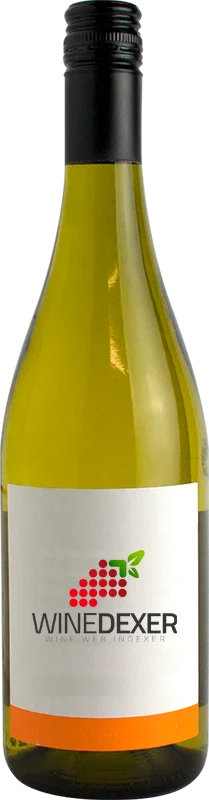
Winery Francois Janoueixl'Orpailleur Muscat de Rivesaltes Doux Natural
 Natural sweet wine
This wine generally goes well with
Details and technical informations about Winery Francois Janoueix's l'Orpailleur Muscat de Rivesaltes Doux Natural.
Discover the grape variety: Gaillard 157
Interspecific crossing carried out in 1891 by Fernand Gaillard (1821-1905) between (triumph x eumelan) and 1 Seibel. This direct-producing hybrid was multiplied in particular in the south-west and centre-west of France as well as in the departments of the Rhône valley and the Ain.
Informations about the Winery Francois Janoueix
The Winery Francois Janoueix is one of wineries to follow in Muscat de Rivesaltes.. It offers 82 wines for sale in the of Muscat de Rivesaltes to come and discover on site or to buy online.

The wine region of Muscat de Rivesaltes
The wine region of Muscat de Rivesaltes is located in the region of Rivesaltes of Languedoc-Roussillon of France. Wineries and vineyards like the Domaine Boudau or the Domaine Lafage produce mainly wines natural sweet, sweet and white. The most planted grape varieties in the region of Muscat de Rivesaltes are Melon et Muscadelle, they are then used in wines in blends or as a single variety. On the nose of Muscat de Rivesaltes often reveals types of flavors of earth, spices or melon and sometimes also flavors of mango, dried apricot or non oak.
The wine region of Languedoc-Roussillon
Languedoc (formerly Coteaux du Languedoc) is a key appellation used in the Languedoc-Roussillon wine region of southern France. It covers Dry table wines of all three colors (red, white and rosé) from the entire region, but leaves Sweet and Sparkling wines to other more specialized appellations. About 75% of all Languedoc wines are red, with the remaining 25% split roughly down the middle between whites and rosés. The appellation covers most of the Languedoc region and almost a third of all the vineyards in France.
The word of the wine: Local wine
Table wine, but with the origin indicated. It corresponds to a particular legislation: the freedom to use grape varieties is greater than for the AOC, but the quality criteria such as the approval tastings can sometimes be more demanding. The legislation is still evolving, but for the moment there are three levels: regional (e.g. Vin de Pays d'Oc), departmental and local (e.g. Côtes de Thongue).