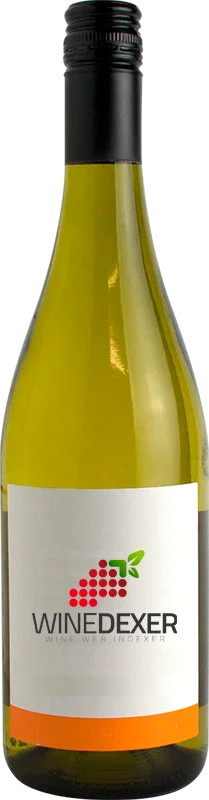
Domaine du PechLe Pech Badin Blanc
 White wine
In the mouth this white wine is a powerful.
This wine generally goes well with rich fish (salmon, tuna etc), shellfish or mild and soft cheese.
Taste structure of the Le Pech Badin Blanc from the Domaine du Pech
Light | Bold | |
Dry | Sweet | |
Soft | Acidic |
In the mouth the Le Pech Badin Blanc of Domaine du Pech in the region of Burgundy is a powerful.
Food and wine pairings with Le Pech Badin Blanc
Pairings that work perfectly with Le Pech Badin Blanc



Original food and wine pairings with Le Pech Badin Blanc


The Le Pech Badin Blanc of Domaine du Pech matches generally quite well with dishes of pasta, rich fish (salmon, tuna etc) or shellfish such as recipes of lasagne with two salmons, tuna and mozzarella pie or pike quenelles with lobster bisque sauce.
Details and technical informations about Domaine du Pech's Le Pech Badin Blanc.
Discover the grape variety: Dattier de Saint Vallier
Interspecific crossing obtained by Seyve-Villard between the 6468 Seibel and the Panse de Provence. This direct-producing hybrid is practically no longer multiplied, but can still be found among amateur gardeners or collectors.
Informations about the Domaine du Pech
The Domaine du Pech is one of of the world's greatest estates. It offers 8 wines for sale in the of Burgundy to come and discover on site or to buy online.

The wine region of Burgundy
Bourgogne is the catch-all regional appellation title of the Burgundy wine region in eastern France ("Bourgogne" is the French name for Burgundy). Burgundy has a Complex and comprehensive appellation system; counting Premier Cru and Grand Cru titles, the region has over 700 appellation titles for its wines. Thus, Burgundy wines often come from one Vineyard (or several separate vineyards) without an appellation title specific to the region, Village or even vineyard. A standard Burgundy wine may be made from grapes grown in one or more of Burgundy's 300 communes.
The word of the wine: Fruity
A wine whose nose is first characterized by aromas reminiscent of the world of fruit. A wine to be drunk young is essentially fruity, but all wines offer this type of aroma in the first place, which can evolve over time, from the scent of fresh fruit to cooked, stewed, candied or brandied fruit.