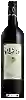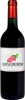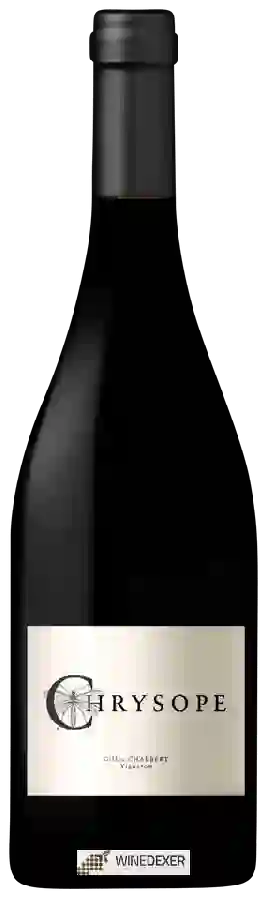
Domaine des Aires HautesChrysope
 Red wine


In the mouth this red wine is a powerful with a nice balance between acidity and tannins.
This wine generally goes well with beef, veal or pasta.
Taste structure of the Chrysope from the Domaine des Aires Hautes
Light | Bold | |
Smooth | Tannic | |
Dry | Sweet | |
Soft | Acidic |
In the mouth the Chrysope of Domaine des Aires Hautes in the region of Languedoc-Roussillon is a powerful with a nice balance between acidity and tannins.
Food and wine pairings with Chrysope
Pairings that work perfectly with Chrysope



Original food and wine pairings with Chrysope
The Chrysope of Domaine des Aires Hautes matches generally quite well with dishes of beef, pasta or veal such as recipes of venison stew with red wine, spaghetti carbonara or calf's head with sauce ravigote.
Details and technical informations about Domaine des Aires Hautes's Chrysope.
Discover the grape variety: Corvina
Its precise origin is unknown, it has been cultivated for a very long time in northern Italy. It can be found in Switzerland, Australia, Argentina, ... in France it is almost unknown. It should not be confused with the Corvinone, another Italian grape variety. It should be noted that the Corvina is related to the Rondinella and the Refosco dal Peduncolo rosso.
Last vintages of this wine
The best vintages of Chrysope from Domaine des Aires Hautes are 2013
Informations about the Domaine des Aires Hautes
The Domaine des Aires Hautes is one of of the world's great estates. It offers 18 wines for sale in the of Minervois to come and discover on site or to buy online.

The wine region of Minervois
Minervois is an appellation for distinctive red wines from the western Languedoc region of France. In general, they are softer than those produced in the Corbières, just to the South. The Minervois appellation also covers rosé and white wines. The predominant Grape varieties used in AOC Minervois wines are Grenache, Syrah and Mourvèdre.
The wine region of Languedoc-Roussillon
Languedoc (formerly Coteaux du Languedoc) is a key appellation used in the Languedoc-Roussillon wine region of southern France. It covers Dry table wines of all three colors (red, white and rosé) from the entire region, but leaves Sweet and Sparkling wines to other more specialized appellations. About 75% of all Languedoc wines are red, with the remaining 25% split roughly down the middle between whites and rosés. The appellation covers most of the Languedoc region and almost a third of all the vineyards in France.
The word of the wine: Primeur (wine)
A wine made to be drunk very young, bottled and marketed very soon after fermentation (about two months). Syn.: new.