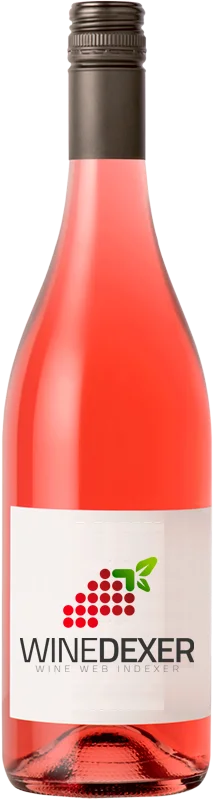
Château CoudercBergerac Rosé
 Pink wine
This wine generally goes well with
Details and technical informations about Château Couderc's Bergerac Rosé.
Discover the grape variety: Gamay à jus blanc
Typical Burgundian grape variety. According to published genetic analyses, it is the result of a natural cross between Pinot and Gouais, which are the same parents of Melon. Gamay is registered in the Official Catalogue of wine grape varieties, list A1.
Informations about the Château Couderc
The Château Couderc is one of of the world's greatest estates. It offers 3 wines for sale in the of Bergerac Rosé to come and discover on site or to buy online.

The wine region of Bergerac Rosé
The wine region of Bergerac Rosé is located in the region of Bergerac of South West of France. Wineries and vineyards like the Château de la Jaubertie or the Château Haut Sarthes produce mainly wines pink, red and white. The most planted grape varieties in the region of Bergerac Rosé are Merlot, Cabernet-Sauvignon and Cabernet franc, they are then used in wines in blends or as a single variety. On the nose of Bergerac Rosé often reveals types of flavors of raspberry, tropical or vegetal and sometimes also flavors of tropical fruit, black fruit or oak.
The wine region of South West
The South-West is a large territorial area of France, comprising the administrative regions of Aquitaine, Limousin and Midi-Pyrénées. However, as far as the French wine area is concerned, the South-West region is a little less clear-cut, as it excludes Bordeaux - a wine region so productive that it is de facto an area in its own right. The wines of the South West have a Long and eventful history. The local rivers play a key role, as they were the main trade routes to bring wines from traditional regions such as Cahors, Bergerac, Buzet and Gaillac to their markets.
The word of the wine: Malolactic fermentation
Called second fermentation or malo for short. It is the degradation (under the effect of bacteria) of the malic acid naturally present in the wine into milder, less aggressive lactic acid. Some producers or wineries refuse this operation by "blocking the malo" (by cold and adding SO2) to keep a maximum of acidity which carries the aromas and accentuates the sensation of freshness.