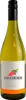
Winery Foxeys HangoutGewürztraminer
 wine
wine
This wine generally goes well with
The Gewürztraminer of the Winery Foxeys Hangout is in the top 0 of wines of Mornington Peninsula.

Details and technical informations about Winery Foxeys Hangout's Gewürztraminer.
Discover the grape variety: Tibouren
Elegant, complex rosés with a pale salmon robe, airy palate and fresh acidity, showing refined aromas of red fruits (strawberry, raspberry), garrigue, Mediterranean herbs, white flowers and characteristic saline, iodine notes. Also vinified as light, fragrant reds. Star of Provence's great rosés from Côtes de Provence AOC (Cru Classé, Saint-Tropez area). Autochthonous Provençal variety from the Var, likely imported from the Middle East by ancient Phocaean sailors.
Informations about the Winery Foxeys Hangout
The Winery Foxeys Hangout is one of of the world's great estates. It offers 22 wines for sale in the of Mornington Peninsula to come and discover on site or to buy online.

The wine region of Mornington Peninsula
Australian cool-climate star (peninsula south of Melbourne): signature Pinot Noir as king red (50%) — fine and fragrant with notes of cherry, raspberry, wild strawberry, undergrowth and a spicy touch, silky tannins and taut acidity shaped by the sea (<7 km). Racy mineral Chardonnay with notes of citrus, white peach, flowers and a saline finish, exceptional natural acidity. Varied soils (sand, alluvium, volcanic terra rossa of Red Hill). Influence of Bass Strait and Port Phillip.
The wine region of Victoria
Australian diversity from cool to temperate climate. Yarra Valley and Mornington: fine, silky Pinot Noir (cherry, raspberry, undergrowth), taut, mineral Chardonnay. Heathcote: structured Shiraz with black fruits, pepper and chocolate. Rutherglen, fortified capital: opulent sweet Topaque and Muscat (raisin, caramel, fig, roast notes).
The word of the wine: Deposit
Solid particles that can naturally coat the bottom of a bottle of wine. It is rather a guarantee that the wine has not been mistreated: in fact, to avoid the natural deposit, rather violent processes of filtration or cold passage (- 7 or - 8 °C) are used in order to precipitate the tartar (the small white crystals that some people confuse with crystallized sugar: just taste to dissuade you from it)