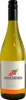
Weingut ForsterEiswein Edelsüß
 wine
wine
This wine generally goes well with
The Eiswein Edelsüß of the Weingut Forster is in the top 0 of wines of Nahe.

Details and technical informations about Weingut Forster's Eiswein Edelsüß.
Discover the grape variety: Trebbiano D'Abruzzo
Fresh, crisp dry whites with a pale golden colour, a supple palate and preserved acidity, showing delicate aromas of citrus (lemon), green apple, white flowers (acacia), almond and mineral notes. A thirst-quenching Mediterranean profile, raised by Valentini to a rare long-ageing white. The absolute star of Trebbiano d'Abruzzo DOC, the signature variety of Abruzzo. Italian variety of the Trebbiano family, indigenous to central Adriatic Italy.
Informations about the Weingut Forster
The Weingut Forster is one of of the world's great estates. It offers 40 wines for sale in the of Nahe to come and discover on site or to buy online.

The wine region of Nahe
Homeland of a mineral Riesling of exceptional geological expression: lively, precise whites with notes of peach, citrus, green apple, gunflint and fine salinity, from taut dry to botrytised sweet. 75% whites, Riesling king (27%) complemented by round Pinot Gris and supple Pinot Blanc. Rising reds: silky Spätburgunder with red fruit, darker Dornfelder. 4,240 ha along the Nahe river, among the most diverse soils in Germany (180 formations).
The word of the wine: White winemaking
White wines are obtained by fermentation of the juice after pressing. A pre-fermentation maceration is sometimes practiced to extract the aromatic substances from the skins. White wines are normally made from white grapes, but can also be made from red grapes (blanc de noirs). The grapes are then pressed as soon as they arrive at the vat house without maceration in order to prevent the colouring matter contained in the skins from "staining" the wine.