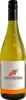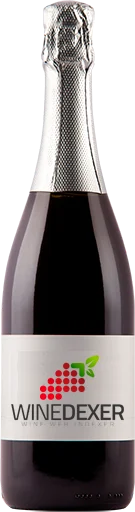
Winery FontezoppaRibona Metodo Classico
 Sparkling wine



This wine generally goes well with

Details and technical informations about Winery Fontezoppa's Ribona Metodo Classico.
Discover the grape variety: Trajadura
Structured, aromatic dry whites with a pale golden robe, an ample palate and moderate acidity, with signature aromas of citrus (lemon), white-fleshed fruits (pear, apple), white flowers and mineral notes. Brings body and structure to blends. A traditional component of Vinho Verde DOC (Portugal) and Rías Baixas DO (Galicia), blended with Alvarinho/Albariño and Loureiro. Autochthonous Portuguese and Galician variety, identical to Treixadura.
Last vintages of this wine
The best vintages of Ribona Metodo Classico from Winery Fontezoppa are 0
Informations about the Winery Fontezoppa
The Winery Fontezoppa is one of of the world's great estates. It offers 55 wines for sale in the of Colli Maceratesi to come and discover on site or to buy online.

The wine region of Colli Maceratesi
DOC of the Marches (1975) on the hills of Macerata down to the Adriatic, calcareous and clayey soils. Maceratino (Ribona) as the rare exclusive white — dry and delicate with citrus, yellow apple, white flowers, fennel and a saline mineral touch, fresh acidity, often skin-macerated as an "orange" wine for more structure. Sangiovese as the red, blended with Montepulciano, Cabernet and Merlot: ruby and fruity with cherry notes and a hint of herbs, rounded tannins.
The wine region of Marche
Italian star of Verdicchio: exceptional age-worthy whites, straight and mineral with signature notes of green almond, lemon, green apple, dry herbs and a slightly bitter finish. Two DOCGs: Castelli di Jesi (coastal, airy) and Matelica (inland, more concentrated). Mediterranean reds: fleshy Montepulciano in Rosso Conero near Ancona, supple Sangiovese. Also fresh Pecorino and Passerina.
The word of the wine: Draft liquor
Liqueur composed of sugar dissolved in wine, used for the dosage of sparkling wines made by the traditional method. It is also known as "liqueur d'expédition" or "liqueur de dosage".