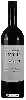
Winery Fontanarosa ViniPortogreco
 Red wine



In the mouth this red wine is a powerful.
This wine generally goes well with beef, lamb or pasta.
Taste structure of the Portogreco from the Winery Fontanarosa Vini
Light | Bold | |
Smooth | Tannic | |
Dry | Sweet | |
Soft | Acidic |
In the mouth the Portogreco of Winery Fontanarosa Vini in the region of Basilicata is a powerful.
Wine flavors and olphactive analysis


On the nose the Portogreco of Winery Fontanarosa Vini in the region of Basilicata often reveals types of flavors of microbio, oak.
Food and wine pairings with Portogreco
Pairings that work perfectly with Portogreco



Original food and wine pairings with Portogreco
The Portogreco of Winery Fontanarosa Vini matches generally quite well with dishes of beef, pasta or lamb such as recipes of sautéed pork with pineapple, pasta with asparagus and chicken or lamb stew from my mum.
Details and technical informations about Winery Fontanarosa Vini's Portogreco.
Discover the grape variety: Aglianico
A very old grape variety grown in Italy, some believe it to be of Greek origin. In France, it is practically unknown. It can be found in Australia, the United States (California), Argentina, etc. It should not be confused with Aglianicone, another grape variety grown in Italy, which is, however, very similar to Aglianico.
Last vintages of this wine
The best vintages of Portogreco from Winery Fontanarosa Vini are 0
Informations about the Winery Fontanarosa Vini
The Winery Fontanarosa Vini is one of of the world's greatest estates. It offers 7 wines for sale in the of Basilicata to come and discover on site or to buy online.

The wine region of Basilicata
Basilicata, in Southern Italy, is a region whose name rarely appears in wine circles. It is best known for its red wines made from the Aglianico grape, and in particular for the Aglianico del Vulture appellation. It has only four DOCs, which collectively cover only two of every 100 bottles produced here. The remaining 98% is sold under IGT or, more likely, Vino da Tavola.
The word of the wine: Hard
A harsh, biting wine, characterized by an excess of tannins and acidity. It is often said of young wines that lack smoothness.