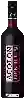
Winery Flein-TalheimSpätburgunder Weissherbst
 Pink wine
This wine generally goes well with vegetarian
Food and wine pairings with Spätburgunder Weissherbst
Pairings that work perfectly with Spätburgunder Weissherbst

Original food and wine pairings with Spätburgunder Weissherbst
The Spätburgunder Weissherbst of Winery Flein-Talheim matches generally quite well with dishes of vegetarian such as recipes of quiche without eggs.
Details and technical informations about Winery Flein-Talheim's Spätburgunder Weissherbst.
Discover the grape variety: Rebo
Supple, fruity reds with a deep ruby colour, soft tannins and a charming palate, showing signature aromas of red and black fruits (cherry, blackberry), plum, gentle spices and balsamic notes. Modern, airy profile to drink young or for short ageing. Grown mainly in Trentino and Veneto, used in northern Italian blends and as a single-variety wine. Italian black variety obtained in 1948 at San Michele all'Adige, a cross of Merlot × Marzemino.
Informations about the Winery Flein-Talheim
The Winery Flein-Talheim is one of of the world's great estates. It offers 84 wines for sale in the of Württemberg to come and discover on site or to buy online.

The wine region of Württemberg
Rare predominantly red region in Germany (nearly 70%). Supple, fruity everyday reds: light, crisp Trollinger (Schiava) with red fruits, more structured, spicy, deep Lemberger (Blaufränkisch), generous Schwarzriesling (Pinot Meunier). Riesling king of whites (>2,000 ha), lively and mineral, citrus and green apple. Germany's 4th region (11,500 ha) on the Neckar slopes around Heilbronn and Stuttgart.
The word of the wine: Performance
Quantity of grapes harvested per hectare. In AOC, the average yield is limited on the proposal of the appellation syndicate, validated by the Inao. The use of high-performance plant material (especially clones) and better control of vine diseases have increased yields. This is not without consequences on the quality of the wines (dilution) and on the state of the market (too much wine). We must not over-simplify: low yields are not synonymous with quality, and it is often in years with generous harvests that we find the greatest vintages (1982 and 1986 in Bordeaux, 1996 in Champagne, 1990 and 2005 in Burgundy...).